Verified: updated on

HOT18th
Shenzhen International Auto Show
IAS
- Dates
- Show Hours:
- Highlights
- One of China’s three major annual auto shows widely regarded in the industry as a bellwether event.
Data
- 1/1
- Edition
- 80000㎡
- Exhibition area
- 700
- Exhibitors
- 120000
- Visitors
Details
- Industry:
- Car fairShenzhenCar Expo
- Organizer:
- China Machinery International Cooperation Co., Ltd., Shenzhen Federation of Industry and Commerce
- Venue:
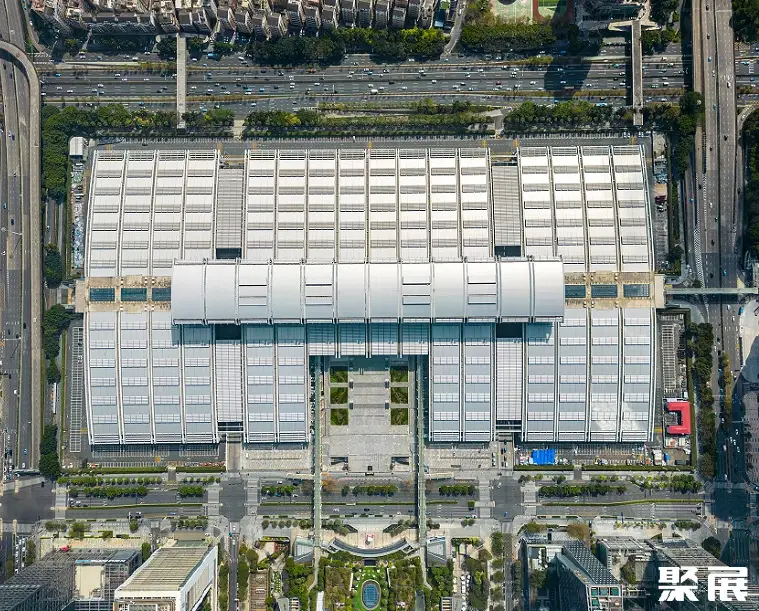
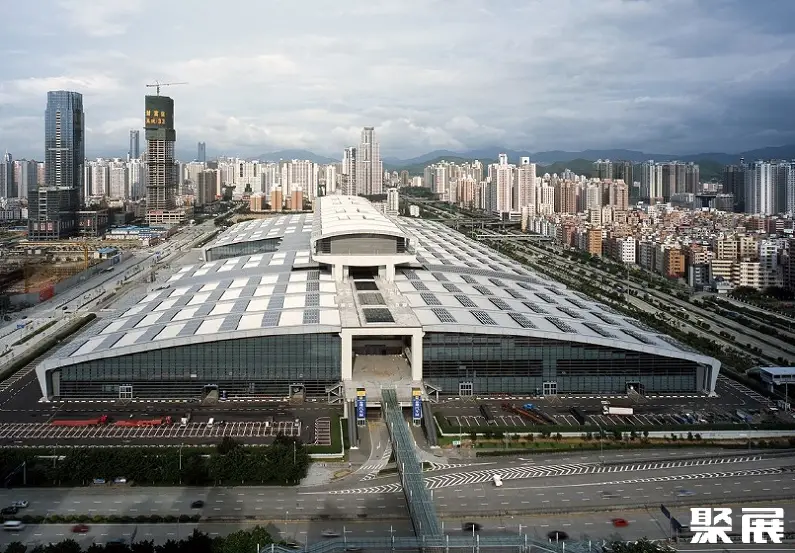
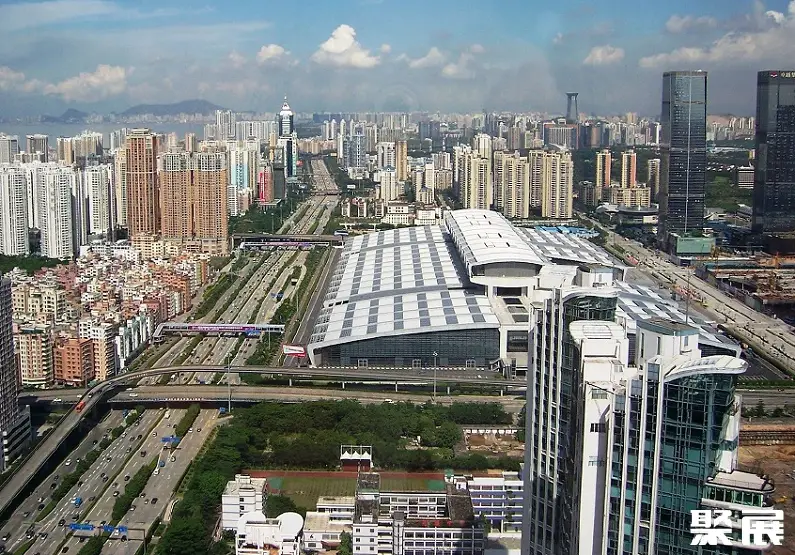
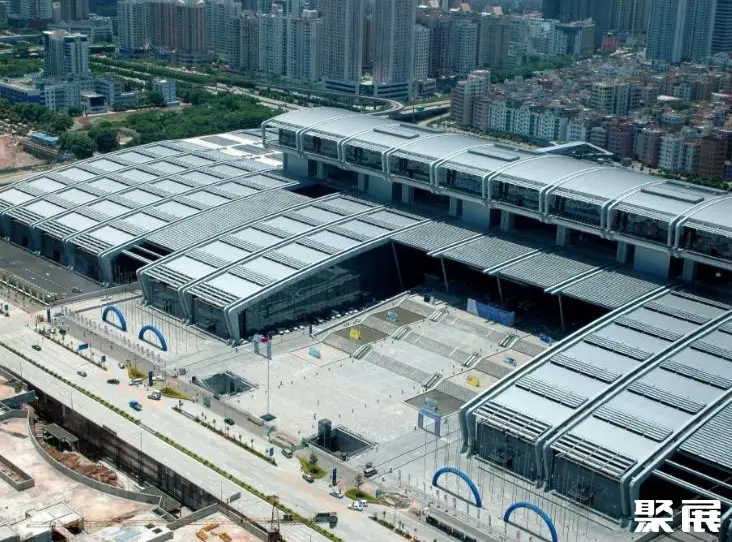
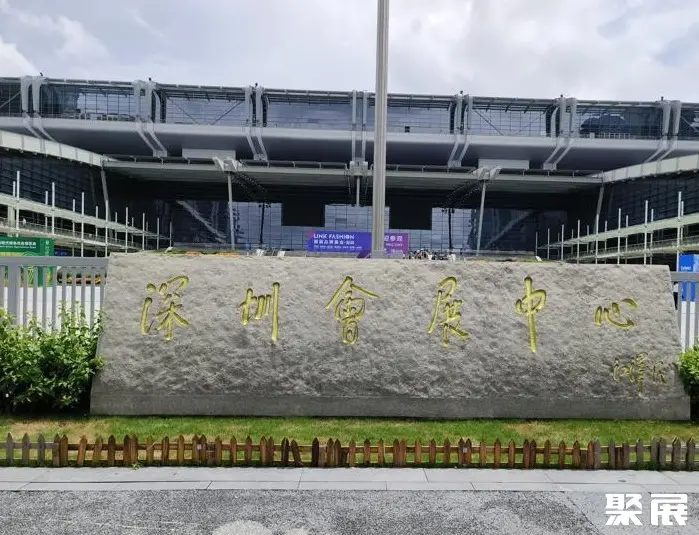
- Shenzhen Convention & Exhibition Center
- Address:
- Shenzhen Convention and Exhibition Center, No. 3 Fuhua Road, Futian District, Shenzhen
Profile
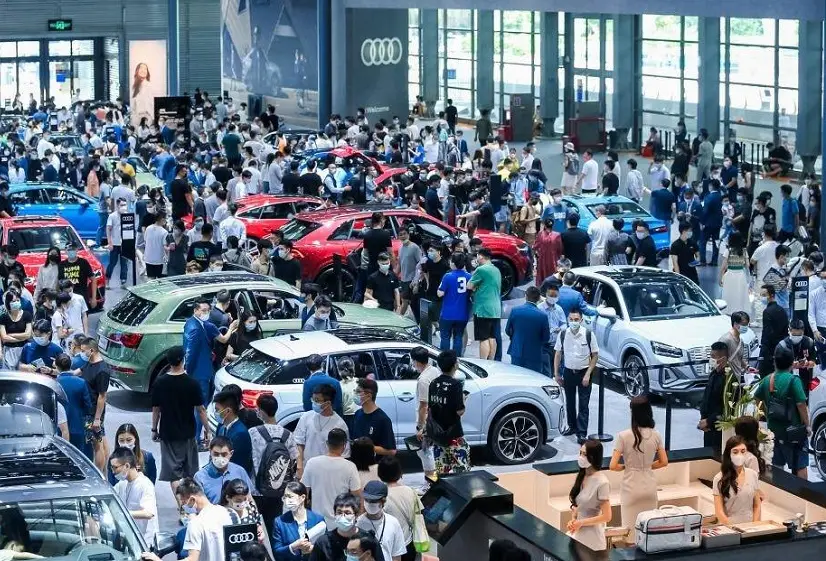
The Shenzhen International Auto Show (IAS) traces its origins to the “Greater Bay Area International Automotive Expo.” Over the years, it has witnessed, actively participated in, and helped drive the remarkable evolution of China’s automotive market, with its scale and influence continuously expanding. As one of China’s “three major annual auto shows,” and owing to Shenzhen’s pivotal role as a benchmark for China’s automotive consumer market, it has long been hailed by industry insiders as the “barometer of the auto show landscape.”
At the most recent edition of the Shenzhen International Auto Show (IAS), the total exhibition area reached 80,000 square meters, attracting more than 80 domestic and international automotive brands and showcasing approximately 700 new vehicles. The event has also hosted signature attractions such as the Hong Kong Vintage Car Museum, the Crazy Car City, and the Yunshang Meiyin Fashion Show, transforming the venue into a premier destination for automotive-themed entertainment and festivities.
Against the backdrop of rapid advancements in next-generation information and communication technologies, cutting-edge research and development in new energy sources, widespread adoption of advanced materials, and swift progress in artificial intelligence—technologies that are increasingly converging with the automotive industry—the traditional automotive sector now faces unprecedented opportunities and challenges. Through the ongoing integration of these emerging technologies with conventional manufacturing processes, new business models have emerged, fostering innovative thinking, novel approaches, and groundbreaking products. This profound industrial transformation is giving rise to a new automotive culture and philosophy, with vehicle intelligence, connectivity, and electrification transitioning from conceptual stages to practical applications, while a reshaped competitive landscape is redefining the industry’s trajectory. (All content herein is copyrighted by Juzhan; unauthorized reproduction is prohibited.)
The Shenzhen International Auto Show (IAS) has carved out its own distinctive path, placing particular emphasis on invigorating the automotive market and cultivating vibrant cultural and recreational experiences—core principles that define the essence of an automotive carnival.
Shenzhen International Auto Show tickets are e-tickets. Mainland China visitors must complete online pre-registration with real-name ID verification; overseas visitors must use passport verification; Hong Kong, Macao, and Taiwan visitors must use their travel permit. On site, verify entry with your ID card or by scanning the e-ticket QR code.
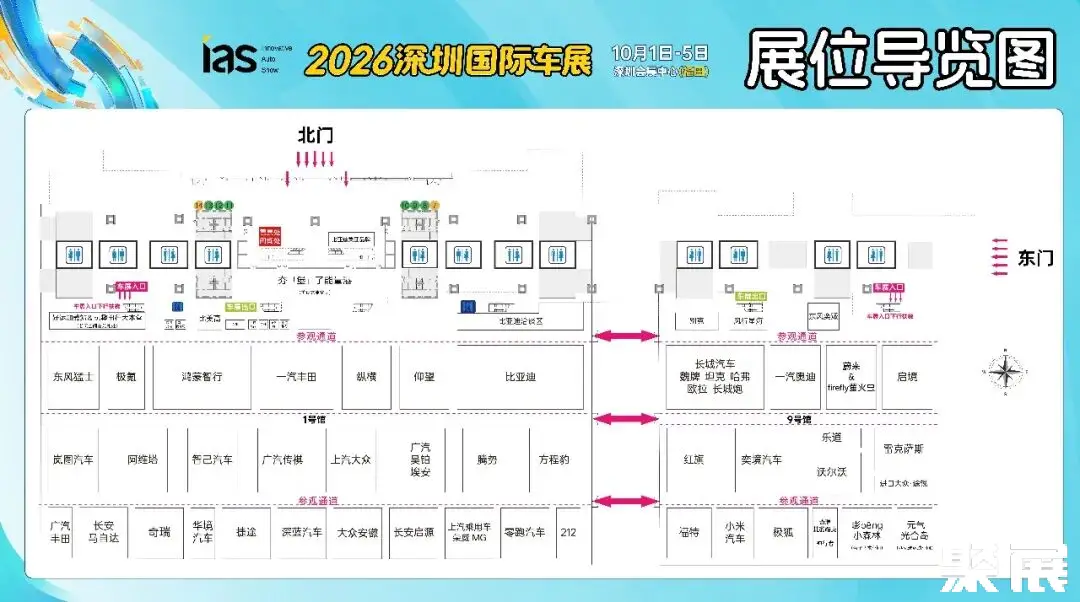
IAS 2026 Venue Map
Famous Exhibitors
- Chinese Brands:BYD, Denza, Yangwang, Fangchengbao, Huawei’s HarmonyOS Smart Mobility (AITO/Zhiji/Hengjie/Zunjie), Xiaomi Auto, Xpeng Auto, Li Auto, NIO, Leapmotor, Nezha Auto, Aion, Deepal Auto, Avatr, Zeekr, Lantu, Jidu Auto, Geely Auto, Changan Auto, Hongqi Auto, Great Wall Auto, Chery Auto, SAIC Group, GAC Group, Dongfeng Auto, BAIC Group
- International Brands:Mercedes-Benz, BMW, Audi, Porsche, Volvo, Cadillac, Lincoln, Lexus, Jaguar Land Rover, Tesla, Volkswagen, Toyota, Honda, Nissan, Ford
- Technology and Smart Mobility Companies:Ehang, XPeng Huitian, Aerospace Innovation
Range
Is my product suitable?Automotive
Auto Parts
Automotive Accessories
Highlights
- The Shenzhen International Auto Show (IAS) ranks among China’s three major annual auto shows, alongside Beijing and Shanghai, and is widely regarded as one of the country’s most influential automotive events. Originally founded in 1991 as the “Shenzhen International Automobile Expo,” it was rebranded in 2020 as the “Greater Bay Area Auto Show” and has since earned recognition within the industry as the “barometer of automotive market trends” and the core engine driving car consumption in the Greater Bay Area. Co‑hosted by China National Machinery Industry Corporation and the Shenzhen Federation of Industrial Associations, the show leverages Shenzhen’s strategic position as the “Capital of New Energy Vehicles,” rotating between the Futian Convention & Exhibition Center and the Bao’an New Hall each spring and autumn. It has become a critical platform for connecting global automotive supply chains, showcasing cutting‑edge technological advancements, and setting consumer trends.
- The core value of participation lies in its unparalleled ability to radiate throughout the Greater Bay Area market and deliver highly concentrated end‑consumer conversions. With a new‑energy vehicle penetration rate of 76.9%, Shenzhen stands as the nation’s most active market for NEV consumption. The Fall 2025 show drew 107 vehicle brands and 1,036 models, including over 75% new‑energy and intelligent connected vehicles, attracting more than 900,000 visitors over nine days. Pre‑orders totaling 40,026 vehicles and aggregate sales exceeding RMB 10 billion underscored its unique status as the “golden window” for car purchases in South China.
- The show provides a one‑stop platform covering the entire automotive value chain. Exhibits span passenger cars, commercial vehicles, concept cars, and other complete vehicle categories, as well as automotive components, accessories, new‑energy technologies, and intelligent connected products. The Fall 2025 show occupied a total exhibition space of 200,000 square meters, encompassing seven indoor halls and outdoor experience zones. BYD staged a dedicated pavilion featuring its four major brands, Huawei’s HarmonyOS Smart Mobility set up an independent exhibit showcasing collaborative smart models, and Xiaomi’s YU7 made its public debut. Meanwhile, Li Auto, NIO, and other brands presented their latest autonomous driving demonstrations.
- The show aligns closely with the three major industry trends—electrification, intelligence, and ecological sustainability—creating a showcase where cutting‑edge technologies and immersive consumer experiences converge. At the Fall 2025 show, new‑energy vehicles accounted for 68% of orders, while intelligent cockpits and ultra‑fast charging technologies became hot topics of interest. BYD unveiled its megawatt‑level flash charging technology for the first time, sparking widespread attention with its “fuel‑and‑electricity‑at‑the‑same‑speed” energy‑replenishment solution. Concurrently, an Intelligent Connected Vehicle Technology Forum was held to discuss industry trends and policy directions. Outdoor test‑drive zones allowed visitors to experience the range and autonomous capabilities of new‑energy vehicles, while ultra‑fast charging demonstration areas vividly illustrated energy‑replenishment speeds, forming a complete “exhibit‑experience‑purchase” loop.
- Leveraging Shenzhen’s strategic advantage as a global hub for the new‑energy automotive industry, the show offers enterprises a strategic gateway to expand into the Greater Bay Area market. Shenzhen has installed 420,000 charging piles and 1,055 ultra‑fast charging stations, with the number of ultra‑fast chargers now surpassing gas stations—a testament to the success of the “Ultra‑Fast Charging City 2.0” initiative. In 2025, the trade‑in subsidy policy remained robust, granting RMB 15,000 for new purchases of NEVs priced above RMB 250,000. Combined with Bao’an District and Nanshan District’s “Happy Car Shopping” programs, on‑site car purchases could benefit from multiple discounts, significantly enhancing consumer conversion efficiency.
- For businesses, the show serves as a strategic portal for entering the South China market, linking with Greater Bay Area resources, and showcasing innovative strengths. Rooted in Shenzhen, the show reaches a vast market spanning the “9+2” urban agglomerations, with a combined economic output exceeding RMB 13 trillion and a population of over 86.17 million. At the Fall 2025 show, the proportion of professional buyers rose to 30%, and overseas attendance grew markedly. Exhibiting companies can use this platform to engage with core consumer groups in the Greater Bay Area, seizing early opportunities in the electrification, intelligence, and globalization of the new‑energy automotive industry.
Review
From October 1 to 5, 2025, the 29th Shenzhen International Auto Show (IAS 2025) was successfully held at the Shenzhen Futian Convention & Exhibition Center. Co-hosted by China National Machinery Industry Corporation and the Shenzhen Federation of Industrial Associations, this year’s event was centered around the theme “Tech‑Driven, Future‑Oriented, Market‑Focused,” marking a major annual milestone for the automotive industry in the Greater Bay Area.
In terms of scale, the show spanned a total exhibition area of 200,000 square meters, bringing together 107 vehicle brands and 1,036 models, with new energy and intelligent connected vehicles accounting for over 75% of the lineup. Over the nine-day period, the event attracted more than 900,000 visitors, with professional buyers comprising 30% of attendees. A total of 40,026 vehicles were pre‑sold on-site, generating aggregate sales exceeding RMB 10 billion—setting a new record for vehicle transactions at a Greater Bay Area auto show.
This edition featured numerous highlights, with Chinese brands and emerging EV manufacturers taking center stage. BYD created a dedicated pavilion, showcasing its full product portfolio across BYD, Denza, Yangwang, and Fangchengbao brands, while unveiling its groundbreaking megawatt‑level flash charging technology—a highly efficient energy‑replenishment solution. Huawei’s HarmonyOS Smart Mobility presented an independent exhibit, highlighting smart models from partner brands such as AITO, Zhiji, Hengjie, and Zunjie, with intelligent cockpits and ecosystem‑wide connectivity serving as key attractions. Xiaomi’s YU7 made its public debut at the show, drawing significant attention. Meanwhile, Li Auto, NIO, and other leading brands demonstrated their latest autonomous driving technologies. Flagship automakers like Hongqi, Changan, and Geely also showcased their progress in the transition to new energy, with several models making their South China debuts and launching pre‑sales across all price segments, from entry‑level to luxury.
Complementary events added richness to the program, creating a high‑end platform that seamlessly blended consumption with experiential engagement. More than 50 brand‑specific launch events were held during the show, featuring concept cars, world premieres, and technological unveilings. An Intelligent Connected Vehicle Technology Forum took place concurrently, offering insights into industry trends and policy directions. Outdoor test‑drive zones provided hands‑on experiences with new‑energy vehicles’ range and autonomous capabilities, while ultra‑fast charging demonstration areas vividly illustrated energy‑replenishment speeds. A family‑friendly interactive zone further enhanced the visitor experience, turning the show into a refreshing leisure destination for families.
Car purchase subsidies were ramped up, delivering notable results in boosting consumer conversion. City‑level trade‑in incentives, combined with Bao’an District and Nanshan District’s “Happy Car Shopping” campaigns, offered government subsidies of up to RMB 15,000 per vehicle, with select brands providing additional exclusive show‑day promotions. With Shenzhen’s new‑energy vehicle penetration rate already standing at 76.9% and the number of ultra‑fast charging stations surpassing gas stations, the city has established a robust industrial foundation and favorable consumer environment for the event.
Attendees agreed that the Shenzhen International Auto Show is not only an outstanding platform for brand exposure and consumer engagement but also a pivotal hub for understanding Greater Bay Area automotive trends and exploring pathways toward electrification and intelligent transformation. From BYD’s megawatt‑level flash charging to Huawei’s HarmonyOS‑based ecosystem connectivity, from Xiaomi’s automotive debut to demonstrations of cutting‑edge autonomous driving technologies, the show vividly captured the remarkable leap of China’s automotive industry—from “catching up” to “leading the way.”
The Spring 2026 Shenzhen International Auto Show is scheduled to take place from May 29 to June 7 at the Shenzhen International Convention & Exhibition Center (Bao’an New Hall),with an anticipated exhibition area of 100,000–200,000 square meters, attracting 1,000 exhibiting companies and approximately 200,000 visitors. The show will continue to serve as an efficient platform for global automotive industry players to showcase their innovations and connect with consumers.
Booth Sales

Ms. ZengGold-Medal PM
3 Years Booth Sales
Ticket Sales

Mr. HanGold-Medal PM
3 Years Booth Sales

Ms. LiuGold-Medal PM
3 Years Booth Sales
Venue
- Address:
- Shenzhen Convention and Exhibition Center, No. 3 Fuhua Road, Futian District, Shenzhen
Booth Price
Process
- 1.Submit the business license of the company
- 2.Submit product picture and name
- 3.Receive exhibition presentation documents and booth drawings
- 4.Submit booth application form/Sign booth contract
- 5.Pay the contract booth deposit
- 6.Prepare for exhibition