Verified: updated on
HOT20th
Beijing International Automotive Exhibition – Beijing International New-Energy Vehicles and Future Smart Mobility Expo
Auto China
- Dates
- Show Hours:
- Highlights
- A globally influential platform for automotive brand showcases and trade with broad international reach.
Exhibition Data
- 1/1
- Edition
- 380000㎡
- Exhibition area
- 1600
- Exhibitors
- 1280000
- Visitors
Beijing City Car Expo Details
- Industry:
- Car fairBeijing CityCar Expo
- Organizer:
- China Council for the Promotion of International Trade, Automotive Industry Branch
- City:
- Beijing
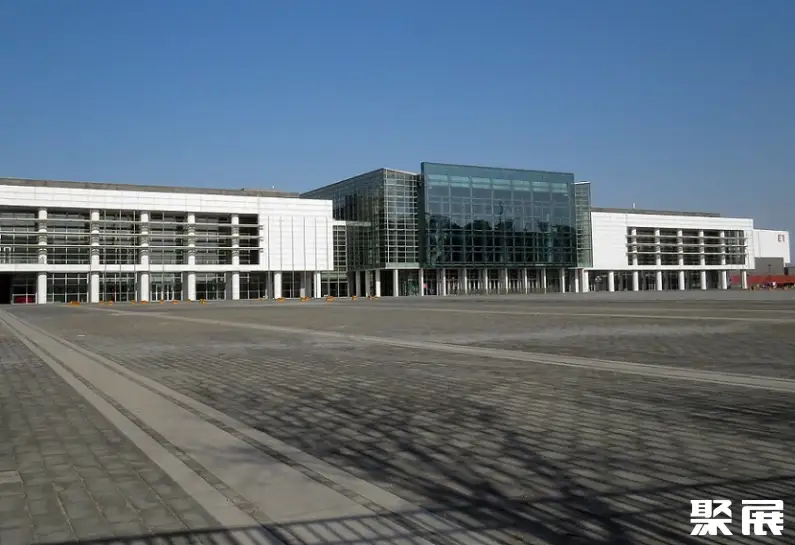
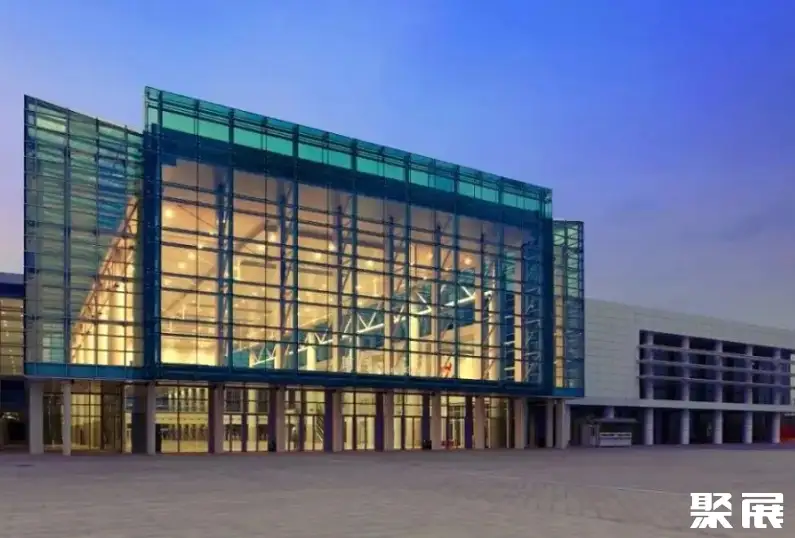
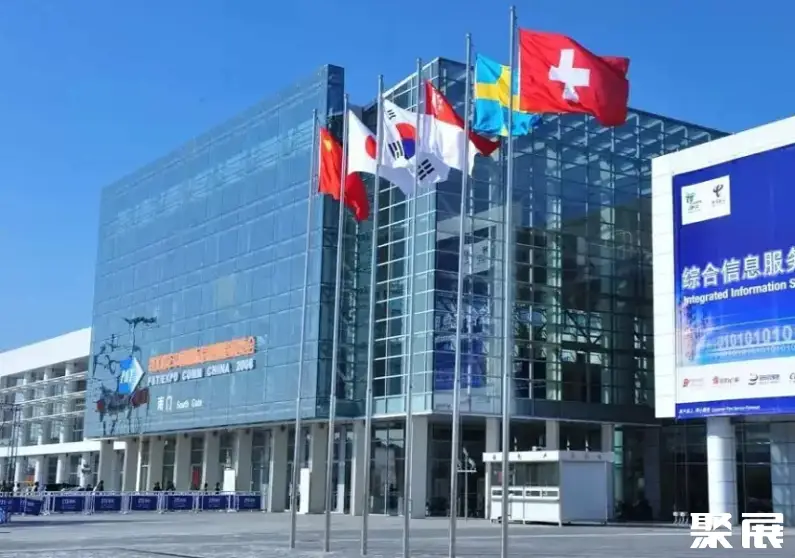
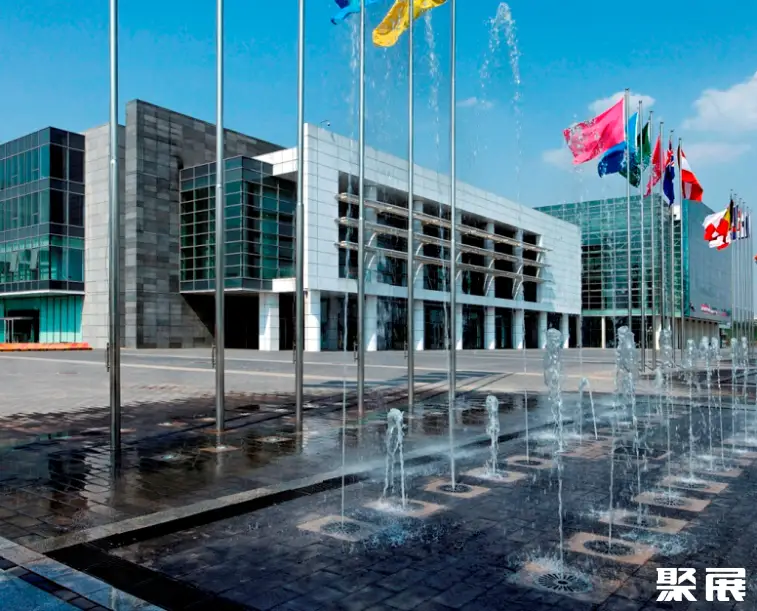
- Venue:
- Address:
- No. 88, Yuxiang Road, Shunyi District, Beijing
Profile
The Beijing International New-Energy Vehicles and Future Smart Mobility Expo is a continuation of the Beijing International Automotive Exhibition (Auto China) held in odd-numbered years, presented as a specialized thematic exhibition. The event will take place from March 27 to April 5, 2027, at the China International Exhibition Center (Shunyi Venue) and the Capital International Convention & Exhibition Center. The total duration is 10 days, with March 27–28 designated as Media Days, March 29–30 as Professional Visitor Days, and March 31–April 5 as Public Open Days. The Components Zone will be open from March 27 to 30.
Founded in 1990, the Beijing International Automotive Exhibition (Auto China) has steadily expanded in scale and influence, earning widespread acclaim within the domestic and international automotive industries and among various sectors of society. It is globally recognized as a premier auto show and a key indicator of industry trends, playing an important role in showcasing advancements in automotive development, fostering Sino‑foreign exchanges and cooperation, driving technological innovation and iteration, promoting upgrades in automobile consumption, and supporting efforts to build a strong automotive nation.
In 2026, the exhibition covered a total area of 380,000 square meters, attracting over a thousand domestic and international exhibitors, displaying 1,451 complete vehicles—including 181 world premieres and 71 concept cars—while welcoming 1.28 million visitors. These core metrics set new records in the history of global auto shows, underscoring the event’s robust industry clustering power and international influence.
This exhibition builds upon the brand heritage and operational standards of the Beijing International Automotive Exhibition (Auto China), bringing together global industry resources to create a comprehensive platform for showcasing and exchanging across the entire automotive value chain. By advancing deepened Sino‑foreign cooperation in the automotive sector, it plays a pivotal role in implementing General Secretary Xi Jinping’s important directives on developing advanced manufacturing, promoting the intelligent, green, and integrated evolution of the automotive industry, strengthening and expanding the sector, and cultivating new sources of productivity.
Under the theme “New-Energy Vehicles and Future Smart Mobility,” the Beijing International Automotive Exhibition aims to align with national strategies for nurturing new sources of productivity and advancing intelligent, connected, and new-energy vehicles, as well as smart transportation systems. The exhibition seeks to highlight profound transformations within the automotive industry, support efforts to strengthen and supplement industrial chains, deepen industry‑university‑research collaboration, accelerate the commercialization of technologies such as intelligent connectivity, vehicle‑road coordination, and vehicle‑network interaction, and leverage Beijing’s comprehensive advantages—particularly its strengths in science and technology innovation and its status as a major consumer center—to promote the application of cutting-edge technologies and achievements, foster deeper integration of industrial, supply, and innovation chains across the Beijing–Tianjin–Hebei region, and guide public consumption upgrades and shifts in mobility attitudes, thereby driving more efficient, greener, and shared modes of travel and boosting domestic demand.
In recent years, China’s automotive industry has experienced rapid growth, with shorter innovation cycles and a steady stream of new models, technologies, and products, creating an increasing need for effective marketing opportunities. High-quality exhibitions can help automakers connect with genuine market demand, deepen collaborative exchanges, expedite technological breakthroughs, and enhance operational efficiency through resource integration and value creation. The organizing committee remains committed to its service mission, striving to deliver an international first‑class auto show that is both sophisticated and meaningful, warm and impactful, thus contributing even more significantly to advancing high‑quality development of the automotive sector and accelerating the building of a strong automotive nation.
Beijing International Automotive Exhibition – Beijing International New-Energy Vehicles and Future Smart Mobility Expo tickets are e-tickets. Mainland China visitors must complete online pre-registration with real-name ID verification; overseas visitors must use passport verification; Hong Kong, Macao, and Taiwan visitors must use their travel permit. On site, verify entry with your ID card or by scanning the e-ticket QR code.
The Value of Participating in the Beijing Auto Show
1. The Beijing International Automotive Exhibition (Auto China) is universally recognized as one of the world’s premier Class‑A auto shows, ranking alongside Frankfurt, Geneva, and other major events as one of the six leading global auto shows. It is the only exhibition in China certified by the Organization Internationale des Constructeurs d’Automobiles (OICA), earning acclaim as the central stage for technological innovation and market trends in the global automotive industry. Founded in 1990 and held biennially, the 2024 edition—the eighteenth—was themed “New Era, New Cars,” bringing together over 1,500 exhibiting companies and attracting 892,000 visitors from 131 countries, firmly establishing itself as a vital window showcasing China’s automotive industry achievements to the world.
2. The core value of participation lies in the authority of its national‑level platform and its unique role as a policy‑shaping indicator. As the capital’s premier auto show, Beijing serves as a key venue for announcing new policies and regulations, often acting as a platform to articulate strategic directions for China’s automotive industry. At the 2024 show, economists such as Li Daokui from Tsinghua University joined industry leaders to engage in in-depth discussions on topics like new‑energy vehicle development and industrial policy optimization, providing participating companies with a strategic window to grasp policy trends and anticipate industry shifts.
3. The exhibition establishes a one‑stop commercial platform covering the entire automotive value chain. In 2024, the total exhibition area reached 220,000 square meters, encompassing two major sections: the complete vehicle zone and the components zone. The complete vehicle section featured 117 world premieres—including 30 global debuts by multinational corporations—alongside 41 concept cars and 278 new‑energy models. International brands such as BMW, Mercedes‑Benz, Audi, and Volkswagen competed alongside Chinese domestic brands. Meanwhile, the components zone spanned 60,000 square meters, drawing nearly 500 renowned domestic and international enterprises—including Bosch, Valeo, Toyota Textiles, CATL, Huawei, iFLYTEK, and DJI—to showcase cutting‑edge solutions such as autonomous driving systems, smart cabins, chips, and LiDAR, covering the full ecological loop from core components to finished vehicle production.
4. The exhibition gathers leading global brands and innovative forces, creating a stronghold of brand value. Among international brands, BMW unveiled the all‑electric BMW i4 and the new MINI Aceman, Mercedes‑Benz presented the world premiere of the all‑electric G‑Class off‑road vehicle, Audi showcased the Q6L e‑tron, and Volkswagen exhibited the ID.CODE and ID.UNYX models. Chinese brands delivered even more impressive performances, with BYD, Xiaomi, NIO, Xpeng, Li Auto, Hongmeng Zhixing, Zeekr, and others becoming traffic magnets. Industry leaders such as Lei Jun, Wang Chuanfu, Li Bin, and He Xiaopeng attended in person, while Zhou Hongyi drew nationwide attention by appearing on the roof of a vehicle as a “car model,” pushing the exhibition’s popularity to new heights.
5. Keeping pace with industry trends toward electrification, intelligence, and connectivity, the exhibition established a cutting‑edge technology showcase. In 2024, there were 278 new‑energy models, a 74% increase over the previous edition, with new‑energy passenger car penetration surpassing 50% for the first time. Intelligent driving technologies became the center of attention, with Huawei ADS3.0, BYD’s fifth‑generation DM technology, and other globally debuted innovations making frequent appearances, while L2‑level assisted driving models achieved a 65% penetration rate. Battery giants such as CATL and EVE Energy, along with chipmakers like Black Sesame Intelligence and Horizon Robotics, collectively outlined the technological roadmap for the “new car.”
6. For Chinese enterprises, this exhibition represents a strategic gateway for entering international markets, connecting with global resources, and achieving brand globalization. In 2024, the show attracted 1,148 foreign media reporters and 28,000 international visitors from 131 countries, significantly increasing the share of overseas attendees. More and more foreign visitors stopped by Chinese brand booths, focusing global automotive industry attention squarely on China. Chinese automotive brands capitalized on their early advantage in the smart, connected, and new‑energy vehicle space, leveraging their complete industrial ecosystem and ongoing innovation investments to steadily enhance new‑car development speed and product competitiveness. In 2023, China surpassed Japan for the first time to become the world’s largest automobile exporter. Participating companies can use this platform to connect with global procurement networks, transitioning from “scale expansion” to “quality leapfrogging.”
Range
International Complete Vehicle Brands:BMW, Mercedes‑Benz, Audi, Volkswagen, Toyota, Honda, Nissan, General Motors, Ford, Hyundai, Kia, Genesis, Lamborghini, Lotus, Porsche, Volvo, Cadillac, MINI, smart, Daimler
Chinese Complete Vehicle Brands:BYD, Geely, Changan, Great Wall, Chery, FAW Hongqi, Dongfeng, GAC, SAIC, BAIC, Seres, NIO, Xpeng, Li Auto, Xiaomi Auto, Hongmeng Zhixing (including Wenjie/Zhijie/Xiangjie), Zeekr, Avatr, Deep Blue Auto, Leapmotor, Nezha, Lantu, Jiuyue, Chuangwei Auto, Yuanhang Auto, Jishi Auto, Feifan Auto, Zhiji Auto, Haobo, iCAR
Component and Technology Companies:CATL, Huawei, iFLYTEK, DJI, EVE Energy, Xinwangda, Bosch, Valeo, Marelli, Toyota Textiles, Honda Metals, Fenia Delphi, Unity China, Hyundai Mobis, BorgWarner, Black Sesame Intelligence, Horizon Robotics, Xinchip Technology
Review
The 2026 Beijing International Automotive Exhibition, themed “Leading the Times, Smartening the Future,” concluded successfully after ten days on May 3, with 150,000 visitors in attendance at both the China International Exhibition Center (Shunyi Venue) and the Capital International Convention & Exhibition Center. As the world’s largest and most influential international Class-A auto show, this edition closely aligned with global automotive industry transformation trends, serving as a pivotal hub that showcases China’s robust automotive capabilities, sets industry direction worldwide, and fosters Sino‑foreign exchanges and cooperation. Its unprecedented scale and high degree of internationalization stand out as defining hallmarks of the event.
I. Record‑Breaking Scale and Global Industry SynergyFor the first time, the 2026 Beijing Auto Show adopted a dual‑venue, full‑area layout, utilizing two major exhibition halls comprising 17 pavilions. With an expansive footprint of 380,000 square meters, it set a new record for the Beijing Auto Show and surpassed the global benchmark for auto show size. The event brought together leading domestic and international automakers, along with top-tier supply chain players and cutting-edge technology firms from 21 countries and regions, creating a comprehensive display matrix spanning vehicle R&D, core components, intelligent technologies, and ecosystem services. A total of 1,451 vehicles were showcased, including 181 world premieres and 71 concept cars—figures among the highest globally. The exhibition attracted 1.28 million visitors, including 65,000 international attendees, marking an all-time high in international participation. Additionally, 32,000 media representatives covered the event, with 4,125 from overseas, and 219 press conferences were held. Concurrently, more than 50 industry summits and targeted buyer‑seller matchmaking sessions took place, while officials from over 70 foreign embassies and consulates attended in person, further strengthening international dialogue and economic cooperation, thereby solidifying the Beijing Auto Show’s position as a premier global platform for automotive industry exchange and collaboration.
II. Technological Breakthroughs: Smart Electrification Redefines the New CarToday, the global automotive industry is undergoing a historic transition—from widespread electrification to an era of intelligent mobility. This year’s show highlighted the latest advances in the convergence of electrification, intelligence, and connectivity, featuring groundbreaking technologies such as AI‑powered onboard systems and commercially available L3‑level autonomous driving. These innovations officially ushered the industry into a new age of smart mobility. In the realm of electrification, several manufacturers unveiled next‑generation power batteries boasting energy densities exceeding 400 Wh/kg and ranges surpassing 1,500 kilometers. Technologies like 9‑minute fast charging and ultra‑low‑temperature rapid charging down to −30°C have made refueling experiences comparable to traditional gasoline vehicles. Multiple technological pathways—including pure electric, range‑extended, and hydrogen‑fuel cell models—are now coexisting, with several mass‑produced hydrogen‑powered vehicles making their debut. On the intelligent front, central computing platforms and multimodal large‑scale models are empowering entire vehicles, transforming smart cabins into multi‑modal interactive spaces. LiDAR has become standard equipment on mid‑to‑high‑end models, while L3‑level autonomous driving has entered scaled commercial use on select urban roadways. Meanwhile, the “vehicle‑plus‑everything” ecosystem is rapidly taking shape, with vehicle‑to‑everything networks enabling seamless, cross‑domain communication and fostering a completely new smart transportation ecosystem.
III. Rising Domestic Brands: Strengthening Global InfluenceChinese domestic brands have demonstrated strong competitiveness in the smart, connected, and new‑energy vehicle segment. Leveraging their vast domestic market, complete industrial infrastructure, and sustained investment in technological innovation, Chinese automakers have accelerated product iteration, enhanced product performance, and elevated brand value, gradually breaking the monopoly of foreign brands in the premium car market. At this year’s show, flagship models from domestic brands were prominently displayed across segments, including high‑end pure electric sedans, mid‑to‑large SUVs, and luxury MPVs. Core technologies remain independently controllable, with breakthroughs achieved in key areas such as power batteries, electric motors, electronic control systems, smart cabins, and autonomous driving. In recent years, China’s automotive exports have surged, securing the top spot globally in 2025, with markets expanding into developed regions such as Europe and North America. During the exhibition, international media, global audiences, and overseas distributors gathered, shifting their focus from traditional foreign brands toward Chinese technologies and products, underscoring the global automotive community’s high regard for China’s achievements in automotive development.
IV. Openness and Win‑Win Cooperation: Charting a New Path for Global Industry DevelopmentAs a central platform for global automotive industry exchange and cooperation, the 2026 Beijing Auto Show embraced a highly international outlook, embodying the principles of openness and collaboration. It served as a vivid example of China’s efforts to expand high‑level opening-up and promote synergistic development within the global automotive sector. Automakers, component suppliers, and technology companies from around the world strengthened partnerships in R&D, supply chain coordination, and market expansion, propelling the global automotive industry from vertical specialization toward a new paradigm of symbiotic coexistence and mutual benefit. International brands continued to ramp up their R&D investments and product launches in China, deeply integrating into the local industrial ecosystem, while Chinese automakers accelerated their overseas expansion through establishing manufacturing facilities and forming joint ventures. Throughout the event, numerous automakers introduced attractive purchase incentives, complemented by trade‑in subsidies, fueling a steady uptick in automobile consumption. Moreover, the show represented a significant milestone in implementing the Beijing–Tianjin–Hebei coordinated development strategy, providing an efficient platform for aligning regional industrial chains and accelerating deep integration among the three areas, thus continuously building momentum for regional economic growth.
V. Empowering the Next Chapter of the Industry: Beijing Auto Show Writes New Chapters of Global GloryAs a bellwether for global automotive industry development, the Beijing Auto Show shoulders the mission of leading industrial upgrading, promoting automotive culture, deepening Sino‑foreign cooperation, and stimulating automobile consumption. With its sails fully set against the winds of change, the show embarks on a new journey, committed to advancing three strategic priorities: internationalization, end‑to‑end industrial chain integration, and high‑level independent innovation. By continuing to expand high‑level opening-up, deepen cross‑border industrial exchanges, and collaborate with peers worldwide, the Beijing Auto Show will jointly launch a new era of intelligent, green, and integrated development, contributing Chinese strength to global economic growth and innovative progress in the automotive industries of China and beyond.
Auto China 2027 Venue Map
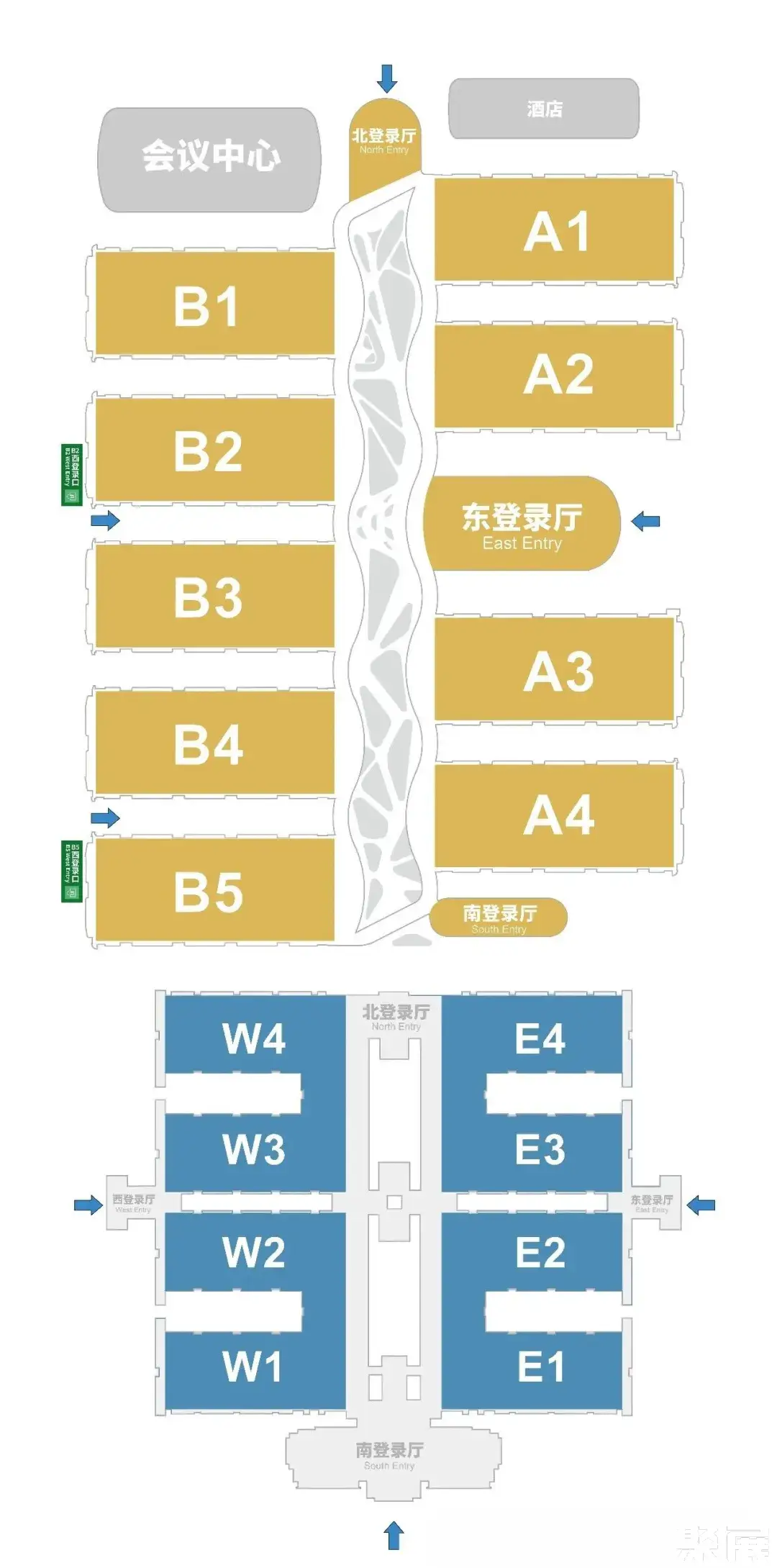
Beijing International Automotive Exhibition – Beijing International New-Energy Vehicles and Future Smart Mobility Expo Range
Is my product suitable?Complete Vehicles
New Energy Technologies
Intelligent Connectivity and Autonomous Driving
Automotive Components
Booth Sales

Mr LiuGold-Medal PM
3 Years Booth Sales

Ms. ZengGold-Medal PM
3 Years Booth Sales
2027 Beijing City Car Ticket Sales

Mr. HanGold-Medal PM
3 Years Booth Sales

Ms. LiuGold-Medal PM
3 Years Booth Sales
Beijing City Car Venue
Beijing City Car Booth Price
Process
- 1.Submit the business license of the company
- 2.Submit product picture and name
- 3.Receive exhibition presentation documents and booth drawings
- 4.Submit booth application form/Sign booth contract
- 5.Pay the contract booth deposit
- 6.Prepare for exhibition