Verified: updated on
Hangzhou International Artificial Intelligence Applications and Robotics Innovation Expo
AI Show Hangzhou
- Dates
- Show Hours:
- Highlights
- An international industry trade show focused on AI applications and robotics innovation.

Exhibition Data
- 1/1
- Edition
- 30000㎡
- Exhibition area
- 500
- Exhibitors
- 50000
- Visitors
Hangzhou AI Expo Details
- Industry:
- AI fairHangzhouAI Expo
- Organizer:
- AI Show Organizing Committee
- Venue:
- Address:
- No. 353, Benjing Avenue, Xiaoshan District, Hangzhou City, Zhejiang Province
Profile
The Hangzhou International Artificial Intelligence Applications and Robotics Innovation Expo (AI Show Hangzhou), under the theme “Innovation in Zhejiang, Leading the Future with Intelligence,” brings together top domestic and international AI and robotics technology companies. It focuses deeply on the practical implementation of AI technologies across key industries and on expanding innovative application scenarios, striving to build an efficient communication platform and create a globally influential AI industry event.
Artificial intelligence is the core driving force behind the new round of scientific and technological revolution and industrial transformation. For three consecutive years, “AI Plus” has been included in the Government Work Reports, and at the 2026 National People’s Congress, it was further clarified that efforts would be deepened to expand “AI Plus” initiatives, promote commercial-scale applications in priority sectors, and foster new forms of intelligent economies. The Fourth Plenary Session of the 20th CPC Central Committee and the proposals for the 15th Five-Year Plan also emphasized the comprehensive implementation of “AI Plus” to comprehensively empower all industries.
As one of the first national pilot zones for AI innovation and application, and a test zone for next-generation AI development, Hangzhou leverages its profound digital economy foundation to demonstrate strong momentum in translating AI and robotics technologies into real-world applications, with application scenarios that rank among the broadest and deepest nationwide. Recently, the “Action Plan for Building Hangzhou into an AI Innovation Hub by 2026” was officially released, setting a clear target: by 2026, the city’s core AI industry will generate revenues exceeding RMB 550 billion, maintaining an annual growth rate of over 20%. The development goals are well-defined, and the momentum is robust.
Hangzhou stands as a benchmark city for China’s digital economy, boasting world-leading e-commerce platforms, cloud computing infrastructure, and thriving AI industry clusters. In 2023, Hangzhou’s GDP surpassed RMB 2 trillion, with the added value of its core digital economy accounting for more than 28%, ranking among the highest nationwide.
We believe that the true value of every AI technology can only be realized through rigorous testing and deployment within authentic industrial settings. The Hangzhou International Artificial Intelligence Applications and Robotics Innovation Expo (AI Show Hangzhou) serves precisely as such a platform, enabling precise alignment between technological supply and market demand.
Hangzhou International Artificial Intelligence Applications and Robotics Innovation Expo tickets are e-tickets. Mainland China visitors must complete online pre-registration with real-name ID verification; overseas visitors must use passport verification; Hong Kong, Macao, and Taiwan visitors must use their travel permit. On site, verify entry with your ID card or by scanning the e-ticket QR code.
Hangzhou International Artificial Intelligence Applications and Robotics Innovation Expo Range
- Computing power center ,
- Intelligent computing software platform ,
- Intelligent cloud services ,
- Vector database ,
- Dataset ,
- AI foundational data services ,
- Data governance ,
- AI model architecture ,
- AI algorithm architecture ,
- Semiconductors ,
- Chips
- Large language models ,
- Large vision models ,
- Large speech models ,
- Multimodal large models ,
- Vertical industry/domain-specific large models ,
- AI Agents ,
- Computer vision ,
- Speech recognition ,
- Natural language processing ,
- Knowledge graph ,
- Deep learning ,
- Large model open platforms ,
- AI open platforms ,
- AI cloud open platforms ,
- Model platforms/model services ,
- AI open-source communities
- AI + energy/storage ,
- AI + industry ,
- AI + agriculture ,
- AI + construction ,
- AI + logistics ,
- AI + government services ,
- AI + retail ,
- AI + live streaming ,
- AI + education ,
- AI + healthcare ,
- AI + home automation ,
- AI + film and media ,
- AI + gaming ,
- AI + the broader internet sector ,
- AI + smart urban services ,
- AI + general security solutions ,
- AI + transportation ,
- AR ,
- VR ,
- MR ,
- XR ,
- Virtual digital humans ,
- Holographic displays ,
- Multimedia interaction ,
- Immersive experience games and equipment ,
- Immersive digital cinemas ,
- Naked-eye 3D ,
- Multi-touch devices
- Smart robots ,
- Embodied robots ,
- Industrial robots ,
- Specialized robots ,
- Commercial service robots
- IoT sensors and chips ,
- RFID and intelligent identification terminals ,
- Smart meters ,
- 5G/RedCap ,
- NB-IoT ,
- LoRa ,
- Wi-Fi6/7 ,
- Bluetooth Mesh ,
- IoT operating systems (OS) ,
- Edge computing gateways and devices ,
- AIoT cloud platforms and solutions ,
- Industrial Internet of Things (IIoT) platforms and applications ,
- Vehicle‑to‑Everything (V2X) technologies and terminals ,
- Smart wearable devices ,
- Smart home terminals ,
- Smart city terminals ,
- IoT security technologies
- Environmental sensing and information acquisition ,
- Motion execution and power transmission ,
- Signal processing and power drive ,
- Circuit connections ,
- Energy and communications
- Sensor chips ,
- Smart sensors ,
- Smart displays ,
- Navigation technologies ,
- Surveying and mapping technologies ,
- Positioning technologies ,
- Smart hardware terminals ,
- Health monitoring systems ,
- Vehicle‑to‑Everything terminals ,
- Smart streetlights ,
- Various smart terminals for smart cities
- eVTOL ,
- Industrial drones ,
- Drone AI technologies and modules ,
- 5G‑A/6G air‑space‑ground networks ,
- Low‑altitude sightseeing ,
- Drone performances
- AI education equipment and services across all stages ,
- Construction of AI‑enabled functional/disciplinary classrooms ,
- AI education services and community training ,
- AI campus spaces and early childhood education
- Home audiovisual products ,
- 3C digital electronic products ,
- Smart wearable devices ,
- Smart home devices ,
- In‑vehicle electronic products ,
- Metaverse and immersive technologies ,
- Mobile consumer electronics ,
- Esports
Booth Sales

Ms. MaoGold-Medal PM
3 Years Booth Sales

Ms. ZengGold-Medal PM
3 Years Booth Sales
2026 Hangzhou AI Ticket Sales

Mr. HanGold-Medal PM
3 Years Booth Sales

Ms. LiuGold-Medal PM
3 Years Booth Sales
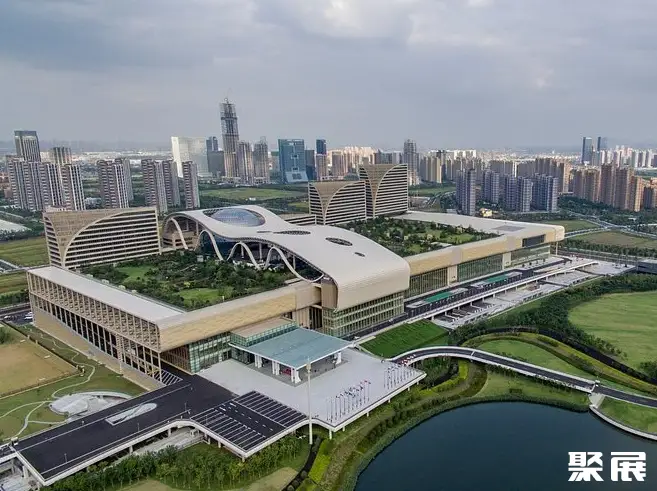
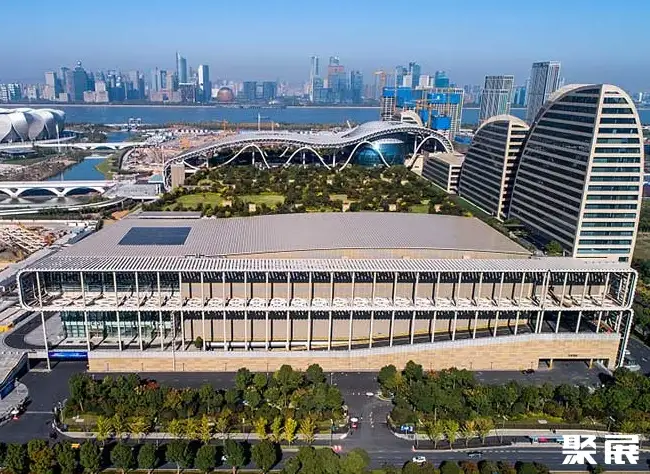
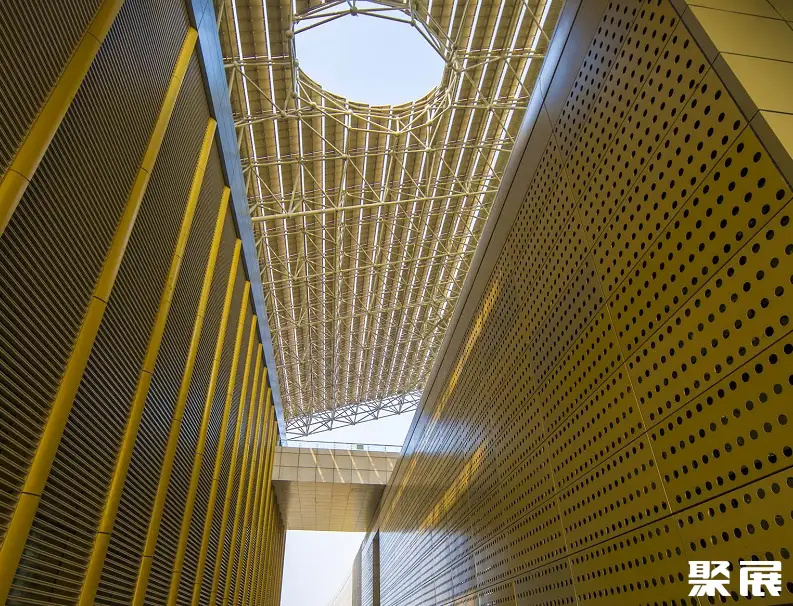
Hangzhou AI Venue
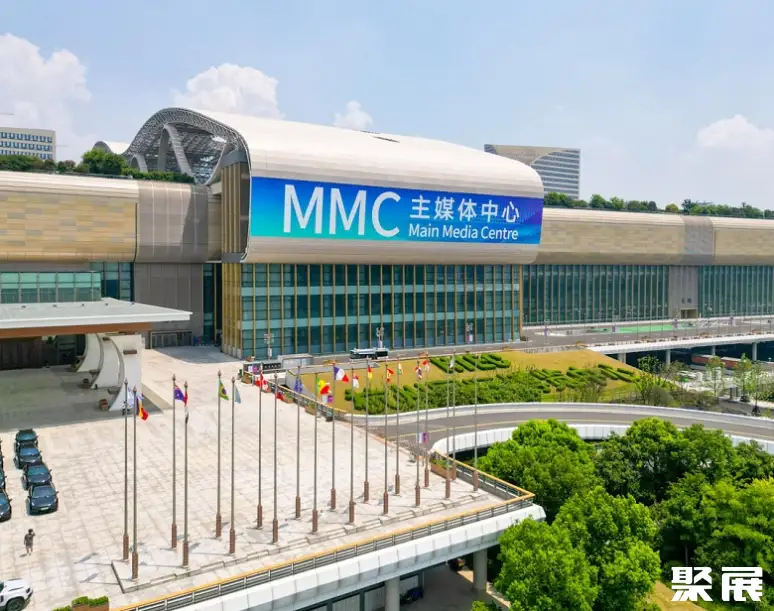
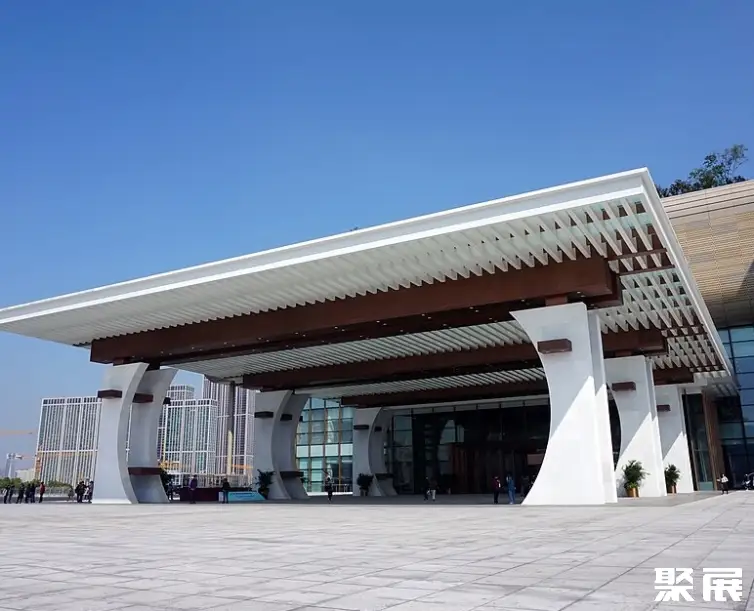
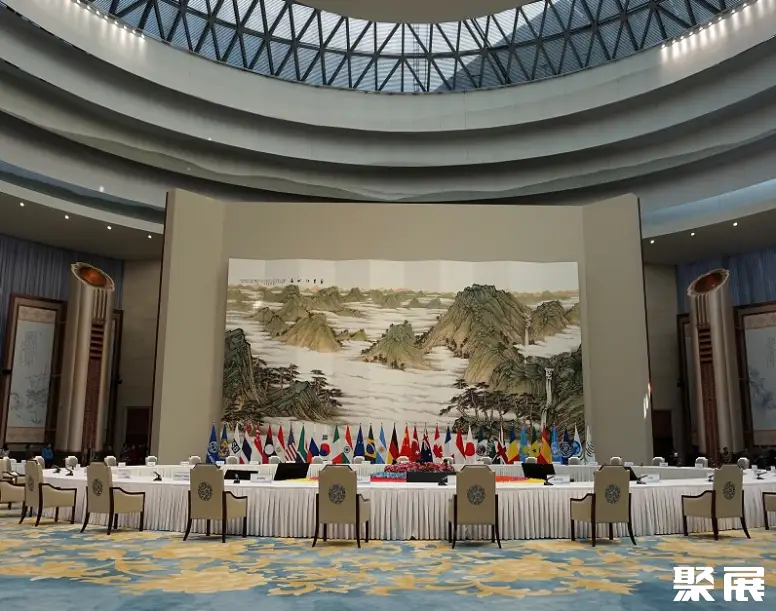
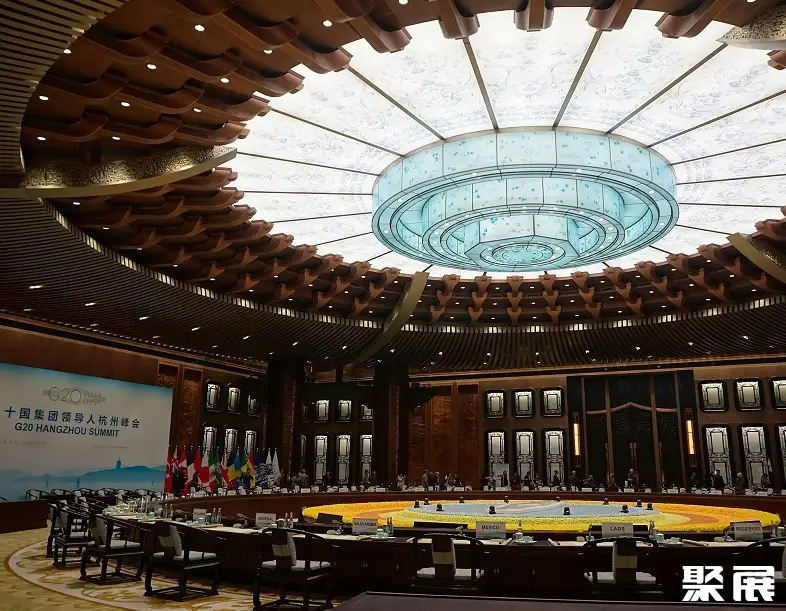
Hangzhou AI Booth Price
Process
- 1.Submit the business license of the company
- 2.Submit product picture and name
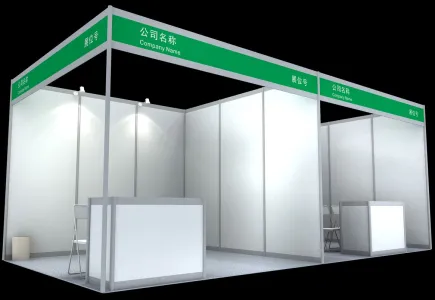
- 3.Receive exhibition presentation documents and booth drawings
- 4.Submit booth application form/Sign booth contract
- 5.Pay the contract booth deposit
- 6.Prepare for exhibition