Verified: updated on
Tokyo Game Show – TGS
Tokyo Game Show
- Dates
- Show Hours:
- Highlights
- The world’s second-largest gaming expo first held in 1996 and the only computer entertainment show of its kind worldwide.


Group tour

Airport transferLocal receptionEntry badge4-star hotelBusiness mealsFull transportSightseeing
Exhibition Data
- 1/1
- Edition
- 160000㎡
- Exhibition area
- 1317
- Exhibitors
- 254311
- Visitors
Chiba Gaming / Animation Expo Details
- Organizer:
- Tokyo International Convention & Exhibition Center, Japan
- Venue:
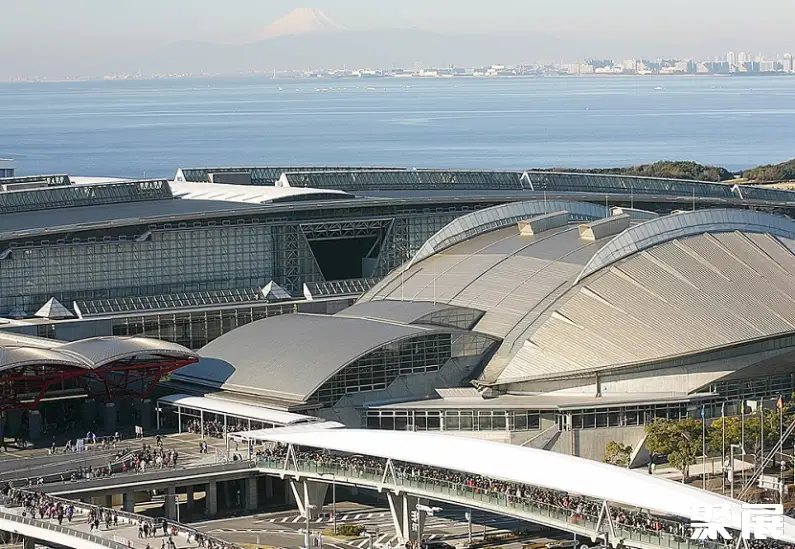
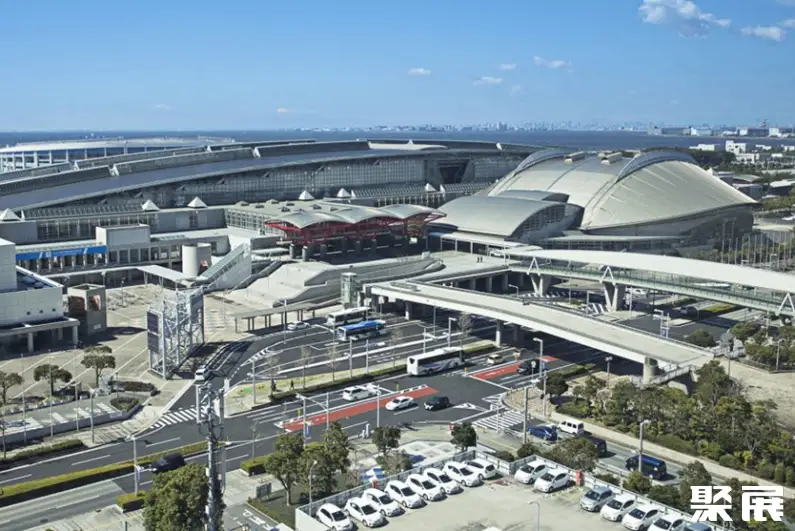
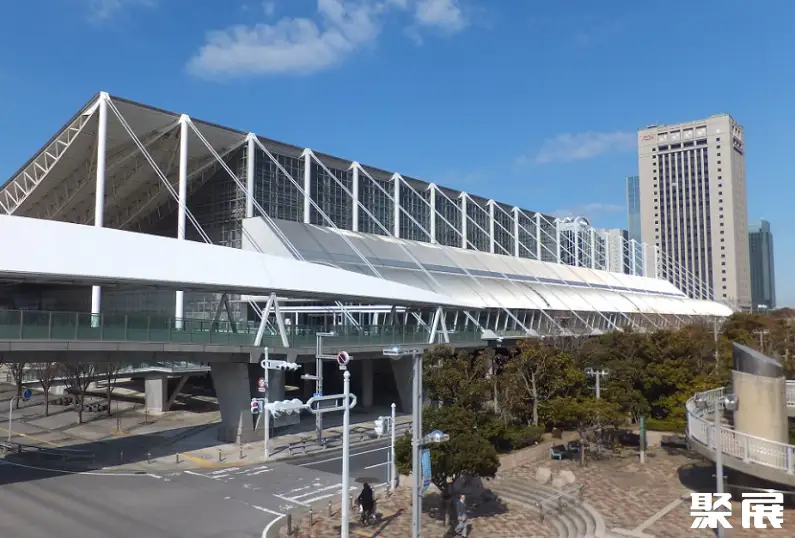
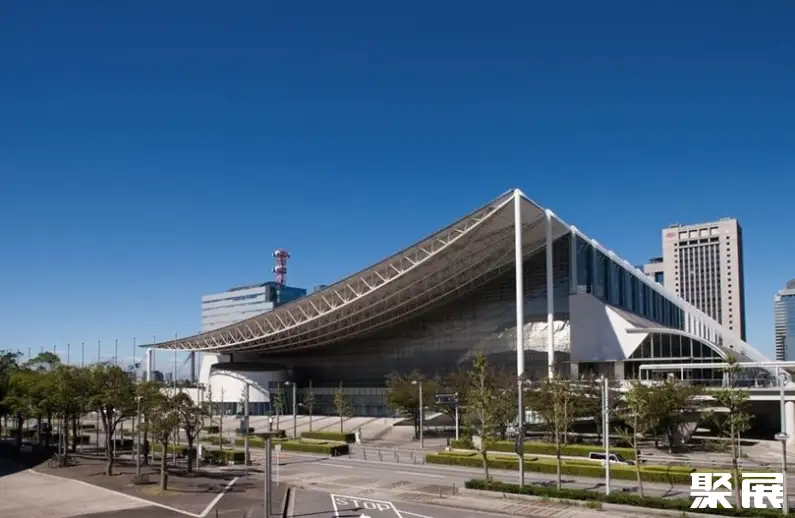
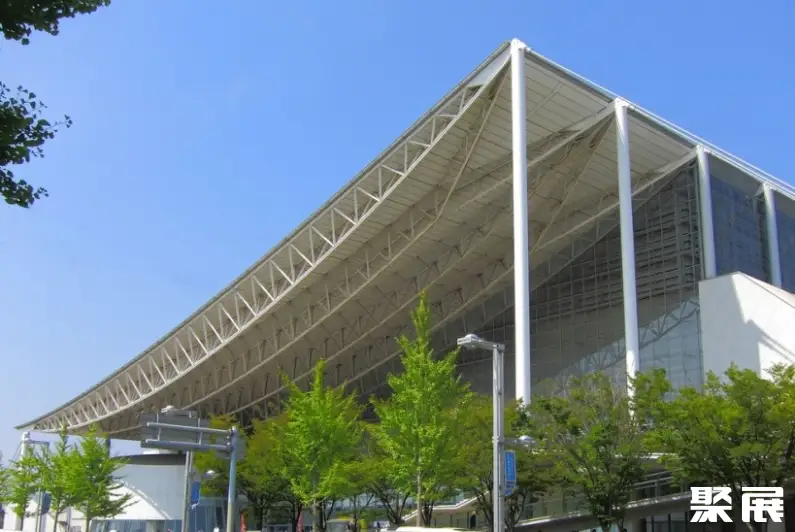
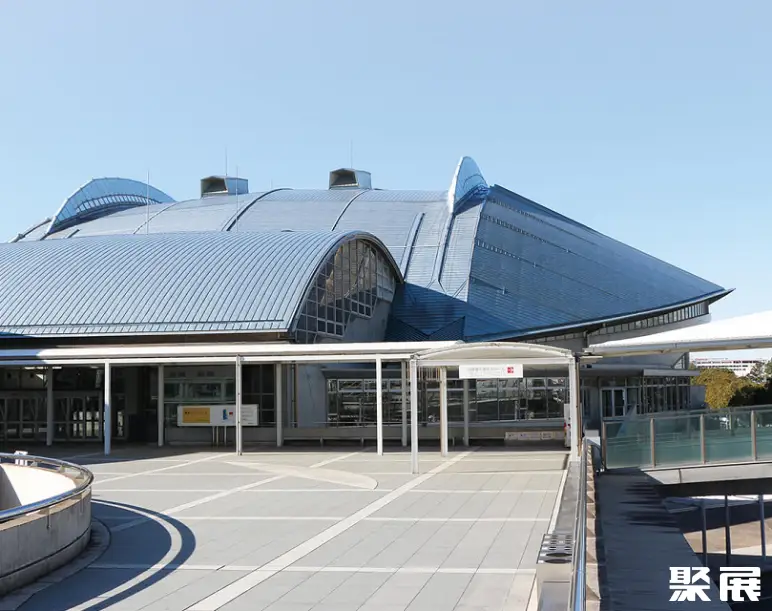
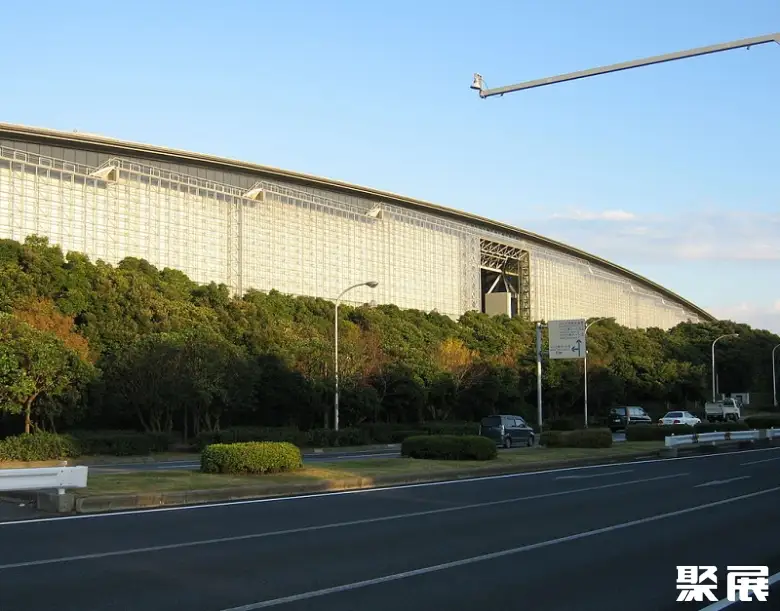
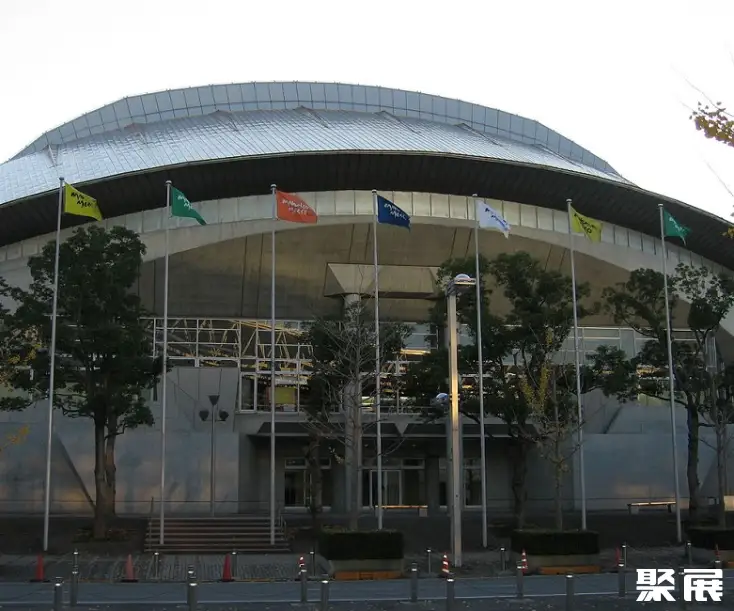
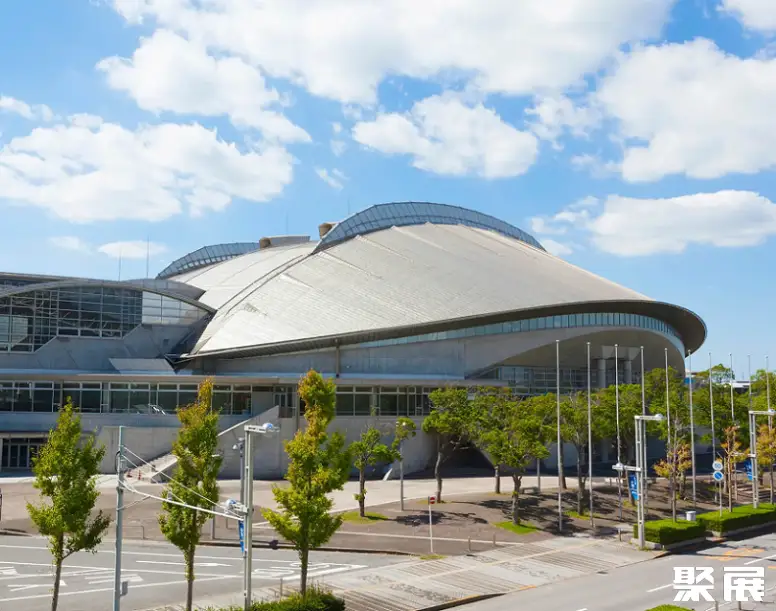
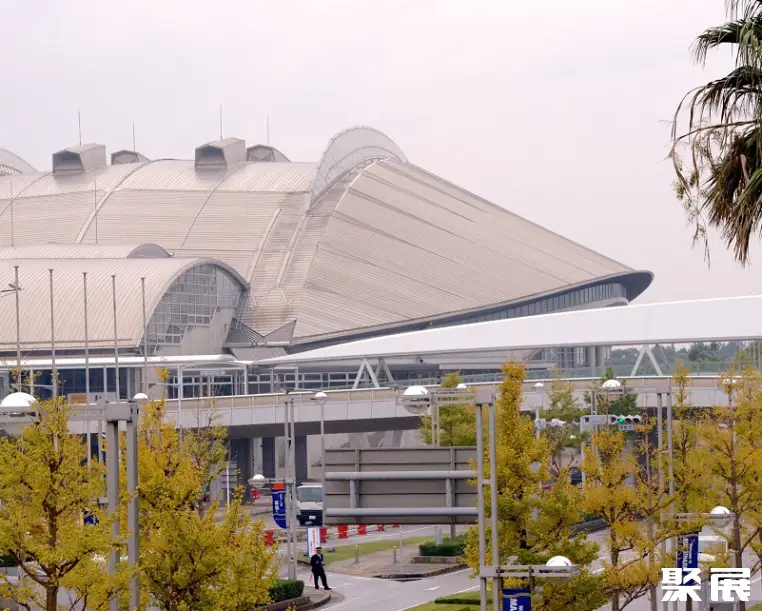
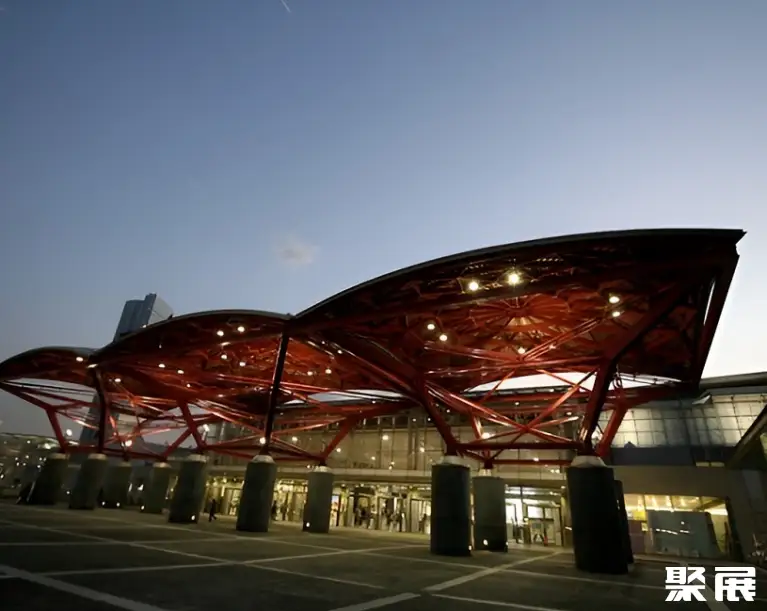
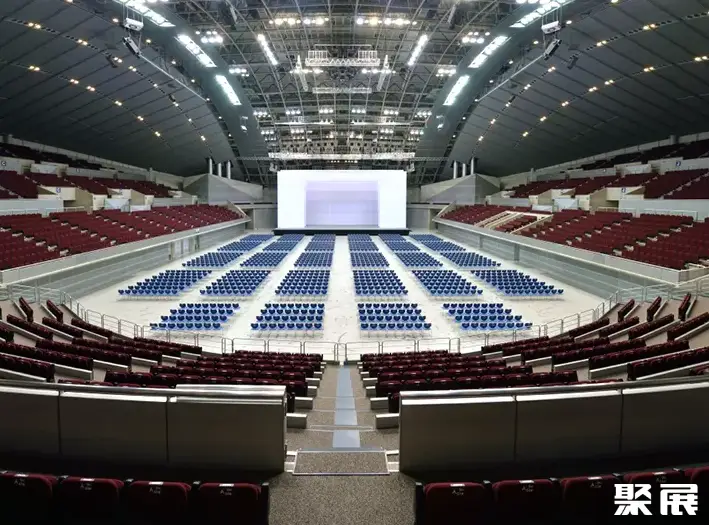
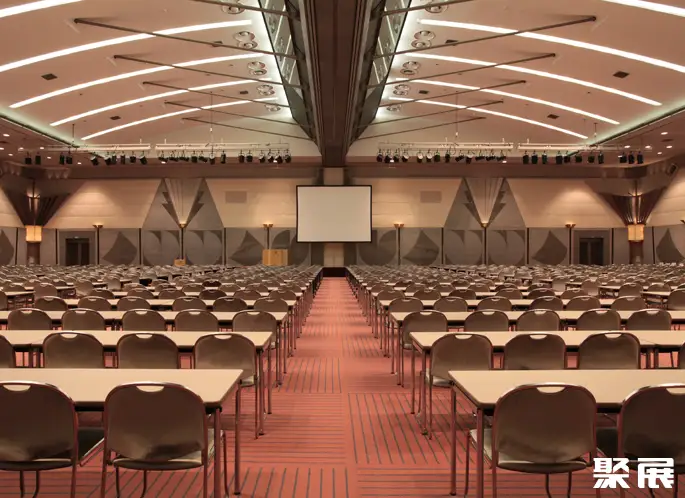
- Makuhari Messe Nippon Convention Center
- Address:
- Nakase 2-1, Mihama-ku Chiba City 261-0023 Japan
Profile
The Tokyo Game Show (TGS), held in Tokyo, Japan, is the world’s second-largest gaming expo. Since its inception in 1996, it has grown alongside the gaming industry as “the world’s only dedicated computer entertainment exhibition.” At the most recent edition, attendance at the newly introduced children’s zone increased by 30% compared to the previous year, while general public days saw an additional 10,000 visitors over the prior year, placing total attendance third among all past editions.Tokyo Game Show (TGS) also recorded a record-high number of exhibitors and overseas media outlets for the second consecutive year.
The Tokyo Game Show (TGS) brings together game developers, independent creators, and players from around the globe to discuss industry trends and future directions. Each year, it attracts leading game companies, animation studios, and gaming and anime enthusiasts from across the world. The event features forums, seminars, and technical exchange sessions, with major publishers showcasing their latest titles—including many innovative works from independent developers.
Chinese companies participating in this year’s show include: Yuanyou, Shiyue, Baitian, Xinghui Games, Quxuan, 3K Games, Youlai, Tanwan Games, Quwan, Yishijie, Lingxi Interactive Entertainment, Kuro, Yihuan, Jinke Tom Cat, Firebird, Tianyou, Titan Motion, Xingjia, Wansheng, Diantouch, and Binghu. Moving forward, these companies plan to further expand their international presence, helping China’s gaming industry reach a global audience and enabling overseas enterprises and players to better understand Chinese culture and games.
This year, the organizers have intensified overseas marketing efforts and provided enhanced support for media coverage, thereby accelerating the exhibition’s internationalization. At this year’s event, next-generation gaming software will be a key focus, andthe Tokyo Game Show (TGS) will not only serve as a hub for cutting-edge computer entertainment but also inspire emotion and hope.
Tokyo Game Show – TGS tickets are e-tickets. Domestic and international visitors must complete online pre-registration with real-name passport verification. After purchase, the organizer verifies visitor identity. Visitors who do not meet entry requirements may need to submit additional documents. Once approved, you will receive email confirmation or a QR code. On site, present your original passport and confirmation letter to collect a paper badge, or scan the QR code to enter.
Partial exhibitor directory and exhibitor list for Tokyo Game Show – TGS: bestat, 佐賀県, HoYoverse, French Pavilion, ハピネット, Malaysia External Trade Development Corporation (MATRADE), and others. The 2026 edition is expected to feature 500+ exhibiting companies. To obtain the full exhibitor directory (including booth numbers and contact details), please visit the official exhibition website or contact Jufair.
The Exhibition Value of Tokyo Game Show (TGS)
- The Tokyo Game Show is the world’s second-largest gaming expo, alongside Gamescom in Cologne and E3 in Los Angeles, collectively regarded as the three major global gaming events. Since its inception in 1996, it has been successfully held nearly thirty times and is widely recognized in the industry as a leading indicator for Asia’s gaming sector and a strategic gateway for international game companies seeking to enter the Japanese and broader Asia-Pacific markets. Organized by the Computer Entertainment Supplier’s Association (CESA) of Japan, the show takes place annually in autumn at the Makuhari Messe International Convention Center in Chiba. It serves as a key platform for console manufacturers such as Sony and holds unique market influence across anime‑related culture, mobile gaming, and other segments.
- The core value of participating lies in its unparalleled reach within the Asian market and its highly concentrated pool of professional buyers. In 2025, the event brought together 1,136 exhibitors from 47 countries and regions, with a record-breaking total of 4,157 booths—of which 615 were overseas, surpassing domestic Japanese companies for the first time and marking an unprecedented level of internationalization. The show attracted over 260,000 professional visitors and gamers, including 52,352 business‑day attendees on the opening day, representing global game publishers, platform operators, investment firms, and distribution channels. Rigorous crowd‑management measures were implemented to ensure both visitor experience and the quality of professional networking opportunities.
- The exhibition provides a one-stop commercial platform covering the entire gaming value chain. Exhibits span all categories, including console games, PC games, mobile games, VR/AR, cloud gaming, esports equipment, and related merchandise. The lineup features Japanese industry giants such as Sony, Capcom, Bandai Namco, Square Enix, Sega, and Konami, alongside diverse international players from 46 countries. For the first time in 2025, a dedicated family‑and‑children zone was introduced, further expanding the show’s reach. Specialized sections—including VR/AR, indie games, and student‑project showcases—highlight cutting‑edge innovations and emerging trends.
- The event aligns with three major industry trends—China’s rising influence, the globalization of anime‑related culture, and technological innovation—creating a hub for deep integration among academia, industry, research, and application. At the 2025 edition, Chinese exhibitors numbered over 170, with nearly 110 from mainland China, marking an unprecedented scale. Industry leaders such as Tencent, NetEase, Century Huatong, Papergames, Hypergryph, and Perfect World showcased flagship titles like “Unlimited Warmth,” “Love and Deep Space,” “Infinity,” “Eternal Loop,” and “Arknights: Endless Frontier.” Long queues formed outside their booths, with wait times of two to three hours, making these exhibits the center of attention. AI and XR technologies continued to permeate the gaming space, with more than 30 exhibitors specializing in XR-related solutions, including Chinese firms like Goertek, Xiaopai, and Mingkun Technology, underscoring a clear trend toward AI‑driven integration. Concurrently, the “Japan Game Awards” ceremony honored outstanding works, with “Metaphor: ReFantazio” taking the Grand Prize and Chinese titles such as “Infinity” receiving the “Future Division Award,” highlighting the growing competitiveness of Chinese games on the global stage.
- For Chinese enterprises, this exhibition serves as a strategic gateway to expand into the Japanese and broader Asian markets, connect with global resources, and showcase innovative capabilities. Although Japan’s mobile gaming market has seen stable download volumes, its average revenue per user (ARPU) remains 1.8 times that of European and American markets, representing a significant “value ceiling” in the global mobile gaming landscape. Japanese players demonstrate high acceptance of diversified gaming formats, providing ample opportunities for Chinese developers. During the 2025 show, domestically produced anime‑style games leveraged the appeal of “Guochao” cultural elements to deliver distinctive experiences, successfully capturing the Japanese audience; several titles consistently ranked among the top sellers on Japan’s iOS charts. Exhibitors can use this platform to access global distribution networks, investment partners, and platform resources, seizing early opportunities in the ongoing transformation of the gaming industry toward globalization, premiumization, and IP‑centric development.
- The organizers have announced that, starting in 2026, the traditional four‑day format will be extended to five days to accommodate growing demand and sustained public enthusiasm. The 2026 Tokyo Game Show is expected to attract an even larger audience, continuing to provide an efficient platform for global exchange and collaboration within the gaming industry.
Range
- Leading Japanese game companies:Sony Interactive Entertainment, Nintendo, Capcom, Bandai Namco, Square Enix, Sega, Konami, Koei Tecmo, Kojima Productions, Level-5, Atlus, FromSoftware
- International gaming giants:Microsoft, Ubisoft, EA, Epic Games, Take-Two Interactive, Riot Games, Valve
- Chinese game developers:Tencent Games, NetEase Games, Century Huatong (DianDian Interactive), Papergames, Hypergryph, Perfect World, Hero Games, Manju Network, Kuro Games, miHoYo (presenting via the PlayStation booth), Le Element, Xishanju, Zulong Entertainment, Lilith Games, Mokoto Technology, 37Games, Xindong Network
- South Korean game companies:NEXON, Netmarble, NCSoft, Smilegate, Shift Up, Pearl Abyss (“Red Desert”)
- VR/AR and hardware firms:Goertek, Pimax Technology, Hangzhou Mingkun Technology (MING Studio), Shenzhen N7R, bHaptics (South Korea), Bigscreen, Gatebox, PICO, Sony (PS VR2), HTC
- XR and content production:A440, Crico, FORUM8, Fun2 Studio, Gakugeki, IDGA JAPAN, iGi Independent Game Incubator, IntoFree, Japan Electronics College, Niigata Computer College, Japan XR Center
Review
The Tokyo Game Show 2025 (TGS 2025) was successfully held from September 25 to 28 at the Makuhari Messe in Chiba, Japan. This year’s event was themed “An Infinite, Never‑Closing Playground,” organized by the Computer Entertainment Supplier’s Association (CESA). Marking nearly three decades since its inception, TGS remains a premier annual gathering for the global gaming industry.
In terms of scale, the show brought together 1,136 exhibitors from 47 countries and regions, with a total of 4,157 booths—setting a new record for TGS. Among them were 521 Japanese companies and 615 international exhibitors, marking the first time overseas participation surpassed domestic representation and signaling an unprecedented level of internationalization. Over the four-day run, the event attracted 263,101 visitors, including 52,352 on the business day of Day 1, 54,779 on Day 2, and 77,415 and 78,555 on the public days, respectively. Rigorous crowd‑management measures were implemented to ensure both visitor experience and the quality of professional networking.
This edition featured numerous highlights, with Chinese game developers making a collective appearance as one of the event’s central attractions. More than 170 Chinese companies participated, including nearly 110 from mainland China, representing an unprecedented exhibition scale. Papergames showcased “Naraka: Bladepoint” and “Love and Deep Space” in prime positions within the main hall, recreating the highly acclaimed “World Masterpiece Wall” that has drawn rave reviews domestically. Following its recent win of the Best Mobile Game award at Gamescom in Cologne, “Love and Deep Space” returned to a world‑class stage. NetEase’s “Infinity World” offered a 15‑minute demo, announcing the removal of the character‑gacha system and shifting monetization toward cosmetic customization, sparking lively discussions among attendees; queues at its booth once stretched over three hours, prompting temporary suspension of entry. Perfect World’s “Eternal Return” debuted its mobile version overseas for the first time, with a booth featuring a striking cyberpunk skyline that vividly captured the game’s aesthetic, drawing long lines of eager players. Hypergryph’s “Arknights: Endless Frontier” unveiled a 14‑minute full‑sequence demo of its PS5 Pro version during TGS, while its industrial‑style booth drew considerable attention. Century Games, under the Century Huatong umbrella, secured all advertising slots on the exhibition train, creating the “Century Games Train,” and deployed an extensive ad campaign across Shibuya and Senso‑ji Temple, complemented by the largest naked‑eye 3D video display in TGS history. According to reports, this year Chinese exhibitors’ booths saw queue times averaging two to three hours, underscoring the overwhelming enthusiasm of attendees.
Complementary events added depth, establishing a high‑level platform for industry dialogue. During the show, the “Japan Game Awards” ceremony took place, with Atlus’s “Persona 5: ReFantazio” claiming the Grand Prize, the Minister of Economy, Trade and Industry Award going to Nintendo Switch 2, and the Breakthrough Award bestowed upon “Light and Shadow: Expedition No. 33.” The “Future Division Award,” voted on by attendees, honored 11 titles, including NetEase’s “Infinity World,” Capcom’s “Resident Evil 9: Requiem,” and Koei Tecmo’s “Nioh 3.” The VR/AR zone gathered more than 30 XR‑related companies, with Chinese firms such as Goertek, Xiaopai, and Mingkun Technology making their mark, reflecting a clear trend toward AI integration. Additional specialized zones included an Indie Game Pavilion, a Student Game Showcase, and dedicated areas for families and children.
The professional audience was exceptionally strong, with international participation reaching a record high. The event attracted buyers, publishers, platform operators, and investment professionals from 47 countries and regions worldwide. Exhibitors widely reported the high caliber of the professional audience, with clear purchasing intent and notable success in on‑site business matchmaking. Many participants praised TGS’s structured business‑day framework as providing a premium platform for B2B exchanges.
Tokyo Game Show Exhibitior List
Tokyo Game Show – TGS Range
Is my product suitable?Games and Software
Gaming Hardware and Devices
Gaming Lifestyle and Experiences
VR/AR/XR Category
Esports Category
Booth Sales

Ms. ZengGold-Medal PM
3 Years Booth Sales
2026 Chiba Gaming / Animation Ticket Sales

Mr. HanGold-Medal PM
3 Years Booth Sales

Ms. LiuGold-Medal PM
3 Years Booth Sales
Chiba Gaming / Animation Venue

Chiba Gaming / Animation Booth Price
Process
- 1.Submit the business license of the company
- 2.Submit product picture and name
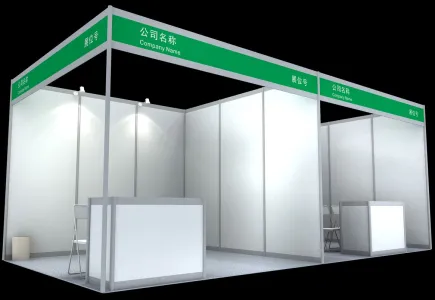
- 3.Receive exhibition presentation documents and booth drawings
- 4.Submit booth application form/Sign booth contract
- 5.Pay the contract booth deposit
- 6.Prepare for exhibition