Verified: updated on
SELECT
Semiconductor Exhibition in Seoul, South Korea
SEMICON KOREA
- Dates
- Show Hours:
- Highlights
- An international specialized trade show for the semiconductor materials and equipment industry

Group tour
Airport transferLocal receptionEntry badge4-star hotelBusiness mealsFull transportSightseeing
Exhibition Data
- 1/1
- Edition
- 21000㎡
- Exhibition area
- 795
- Exhibitors
- 25639
- Visitors
Seoul Semiconductors Expo Details
- Organizer:
- International Semiconductor Equipment and Materials Association
- City:
- South KoreaSeoul
- Venue:
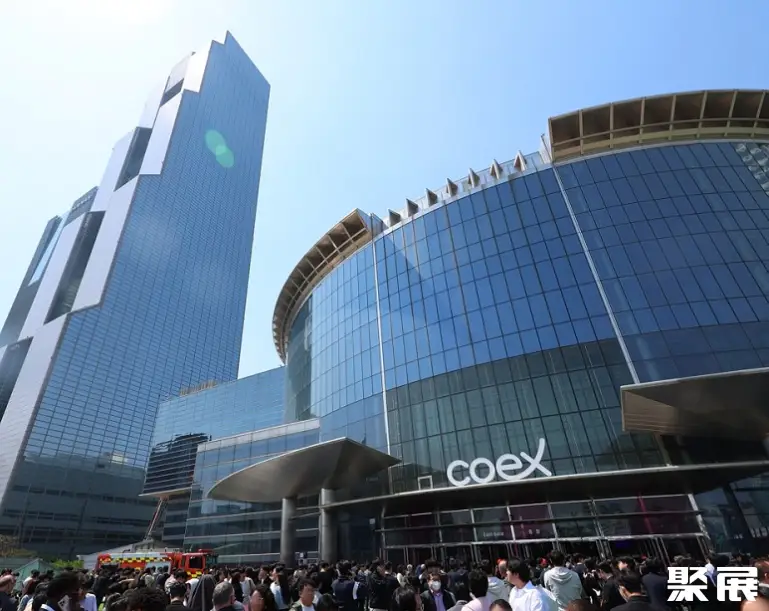
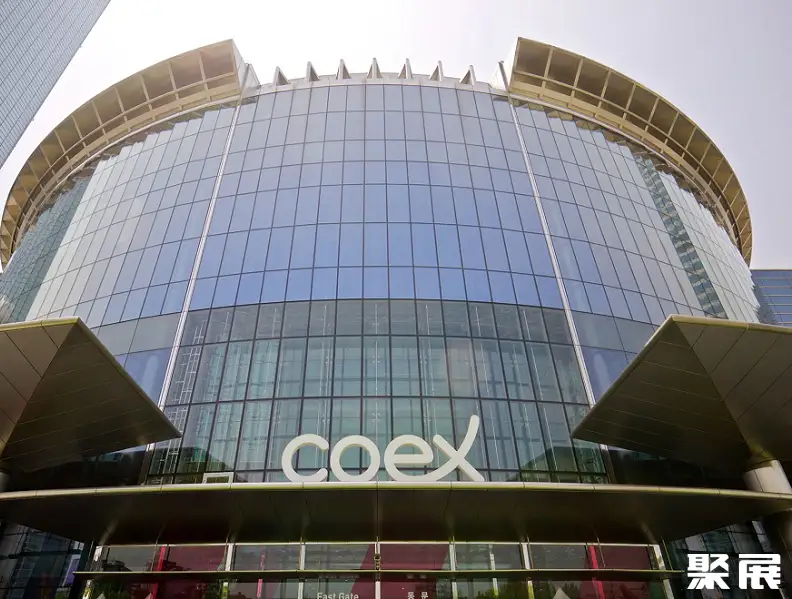
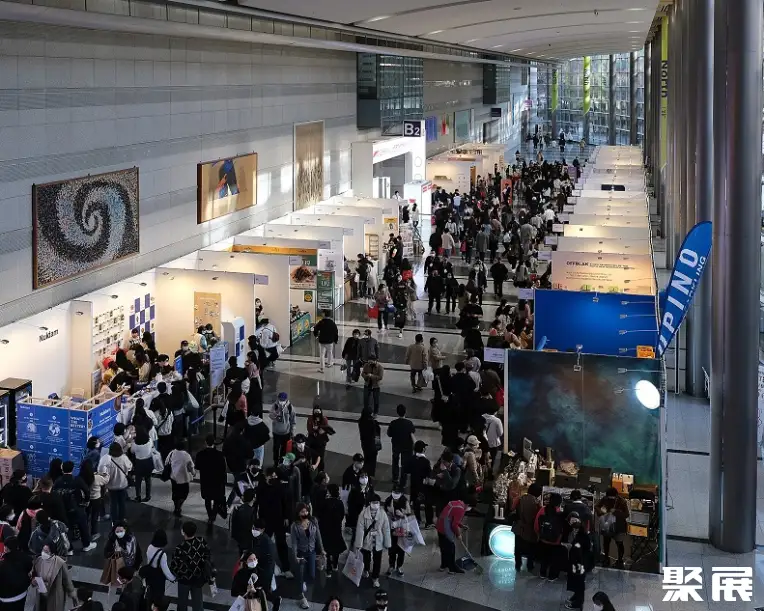
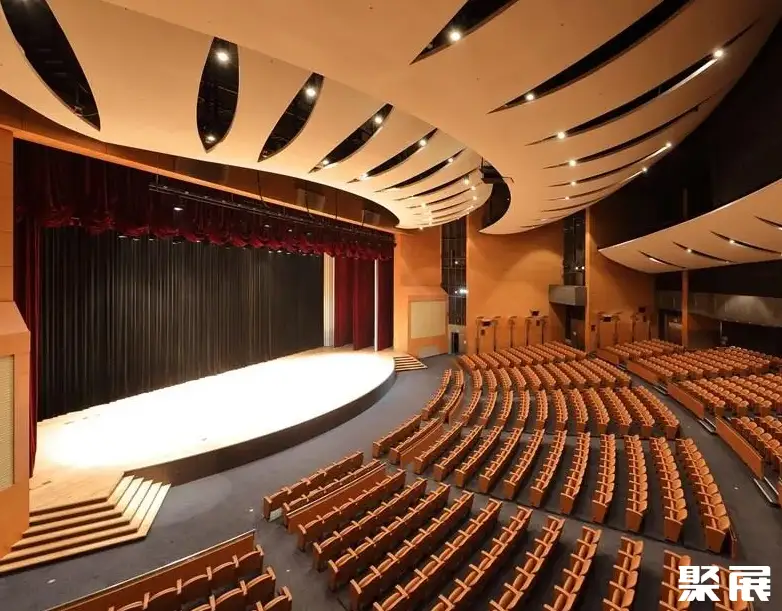
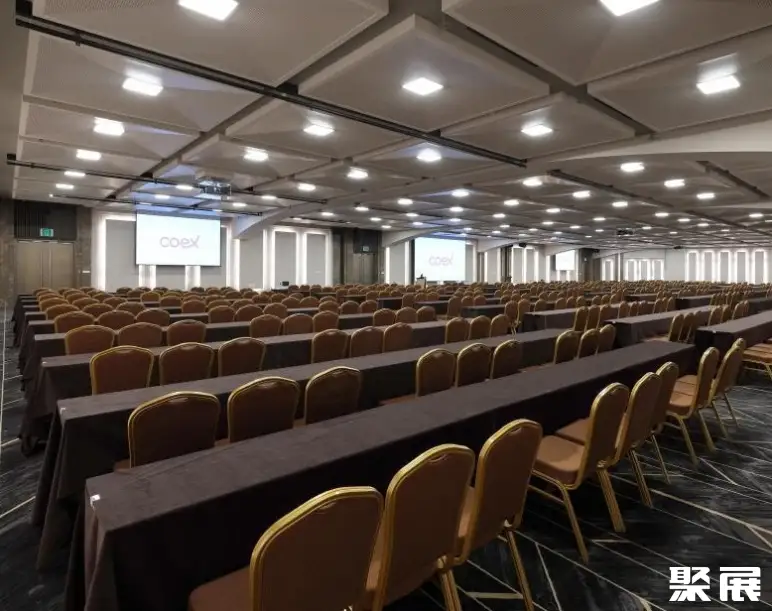
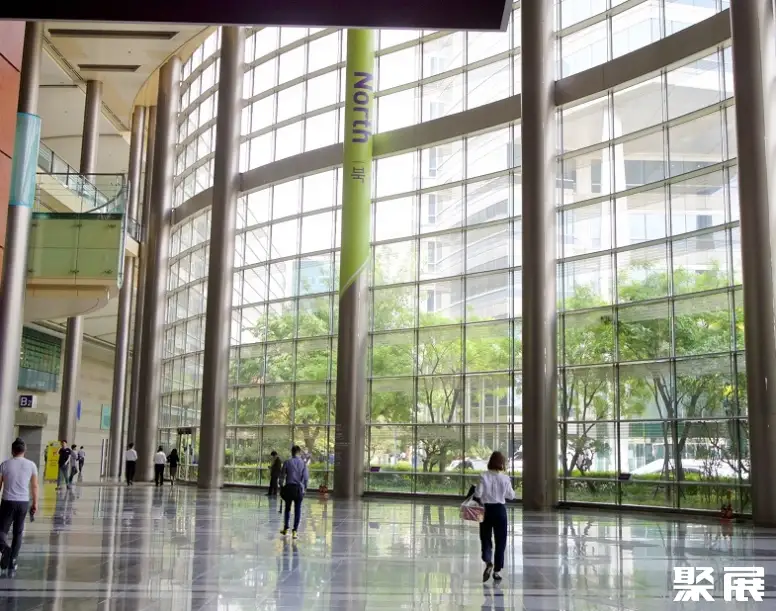
- COEX Convention & Exhibition Center
- Address:
- 513, Yeongdong-daero, Gangnam-gu, Seoul
Profile
The Semiconductor Exhibition in Seoul, South Korea (SEMICON KOREA)is an annual event organized by SEMI, the International Semiconductor Equipment and Materials Association, attracting domestic and international companies specializing in semiconductor materials and equipment. The MI Forum, Testing Forum, and Smart Manufacturing Forum will also be held. With the advancement of cutting-edge applications, the importance of low-power technologies is increasingly evident, and this year marks the inaugural SiC Power Semiconductor Summit.
This year’s exhibition theme is “Innovation Beyond Boundaries.” As artificial intelligence (AI) technology rapidly evolves, technological collaboration and innovation are set to transcend existing limits—spanning everything from chip design to manufacturing processes and supply chains. A total of 200 semiconductor experts will participate as guest speakers, with leading companies such as SK Hynix, Merck, and Elian delivering keynote addresses.
The Semiconductor Exhibition in Seoul, South Korea (SEMICON KOREA)will host a semiconductor investment briefing session during the event, which is expected to be more than twice the scale of the previous edition. The U.S. Semiconductor Investment Briefing will provide a detailed explanation of the U.S. CHIPS Act and offer guidance on state-level semiconductor support policies across four U.S. states—New York, Arizona, Indiana, and Texas.
In addition, the Korean semiconductor exhibition will debut the “Startup Summit,” designed to facilitate business matchmaking between startups and venture capitalists, enabling global investors to identify and nurture promising semiconductor enterprises. Participating entities include Samsung Venture Investment, Applied Ventures, SK Hynix, LG Investment, UDC Investment, and Teral Capital.
The Semiconductor Exhibition in Seoul, South Korea (SEMICON KOREA)reveals that 31% of attendees are interested in production equipment, 26% in materials, and 24% in product manufacturing. Furthermore, 87% of visitors hold independent or joint purchasing authority, while 57% are technical engineers or senior executives. (Copyright of this content belongs to Juzhan; redistribution without permission is prohibited.)
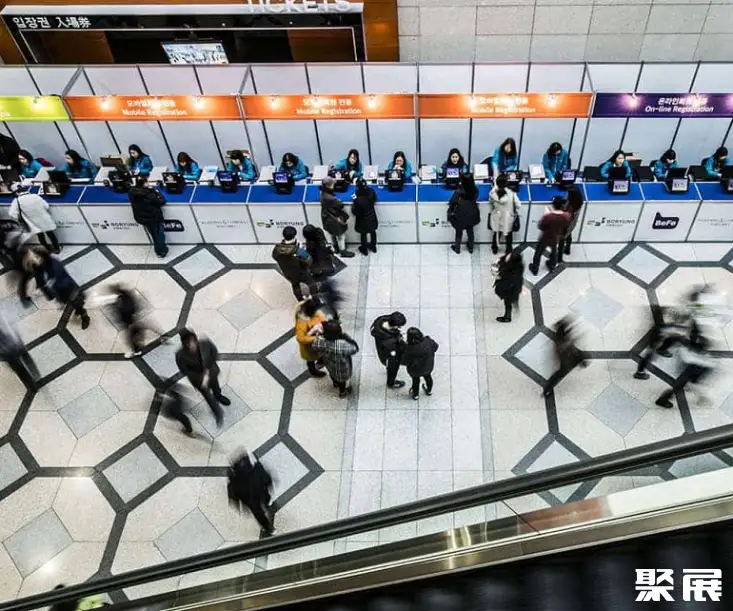
Semiconductor Exhibition in Seoul, South Korea tickets are e-tickets. Domestic and international visitors must complete online pre-registration with real-name passport verification. After purchase, the organizer verifies visitor identity. Visitors who do not meet entry requirements may need to submit additional documents. Once approved, you will receive email confirmation or a QR code. On site, present your original passport and confirmation letter to collect a paper badge, or scan the QR code to enter.
Partial exhibitor directory and exhibitor list for Semiconductor Exhibition in Seoul, South Korea: Thermo Fisher Scientific, Kanken Techno Co.,Ltd, Nikon Corporation, KYZEN, ENTEGRIS, JSR Corporation, and others. The 2027 edition is expected to feature 500+ exhibiting companies. To obtain the full exhibitor directory (including booth numbers and contact details), please visit the official exhibition website or contact Jufair.
The Value of Participating in the Korean Semiconductor Exhibition
- The Seoul Semiconductor Exhibition (SEMICON KOREA) is South Korea’s largest and Asia’s most influential event in the semiconductor industry. Since its inception in 1987, it has become a central hub connecting the global semiconductor supply chain. Organized annually by the Semiconductor Equipment and Materials International (SEMI) at the COEX Convention and Exhibition Center in Seoul, the event brings together domestic giants such as Samsung Electronics and SK Hynix, alongside leading global equipment and materials suppliers, serving as a strategic platform for understanding AI-driven technological transformations and industry trends.
- The core value of participation lies in its unique ability to connect South Korea—a global semiconductor manufacturing powerhouse—with a highly concentrated pool of professional buyers. South Korea occupies a pivotal position in the global semiconductor supply chain, with Samsung Electronics and SK Hynix firmly established as leaders in memory chips. Key AI components such as HBM (high-bandwidth memory) are predominantly supplied by Korean firms. At the 2026 edition, the exhibition set a record with 550 exhibitors, over 2,400 booths, and an estimated attendance exceeding 70,000 professionals, including global chip manufacturers, equipment suppliers, materials companies, and R&D experts.
- The exhibition provides a one-stop commercial platform covering the entire semiconductor value chain. Exhibits span wafer fabrication equipment, packaging and testing technologies, semiconductor materials, advanced process technologies, AI chip solutions, power semiconductors, automotive electronics, and other categories. The roster of exhibitors is formidable, including Samsung Electronics, SK Hynix, as well as global leaders such as ASML, Applied Materials, Lam Research, Tokyo Electron, Micron, Kioxia, and GlobalFoundries. From AI-accelerated chips to HBM storage, from EUV lithography to advanced packaging, the exhibition comprehensively showcases the industry’s closed-loop ecosystem—from design and manufacturing through to final assembly and testing.
- The exhibition aligns with three major industry trends—“AI-driven innovation, advanced packaging, and supply-chain collaboration”—and fosters deep integration among academia, industry, and research institutions. At the 2026 edition, the exhibition partnered with KAIST (Korea Advanced Institute of Science and Technology) to host an AI summit, focusing on AI-driven industrial innovation roadmaps and technological strategies. Concurrently, more than 30 specialized forums were held, covering technical seminars (STS), metrology and testing forums (MI), testing forums, smart manufacturing forums, and compound power semiconductor summits. A Supplier Search Program invited procurement representatives from Kioxia, Micron, Sony, and other global suppliers, helping Korean materials, components, and equipment firms expand into international markets. Additionally, the inaugural Netherlands–Korea Semiconductor Technology Cooperation Symposium was organized, promoting cross-border R&D collaboration.
- For Chinese enterprises, this exhibition serves as a strategic gateway to tap into the Korean market, connect with global resources, and showcase innovative capabilities. South Korea’s semiconductor industry maintains robust demand for high-performance materials, precision equipment, and cutting-edge technologies, while China enjoys strong competitiveness in semiconductor materials, packaging equipment, and AI chip sectors. Exhibiting companies can leverage the exhibition’s technical forums and business-matching activities to establish direct connections with global leaders such as Samsung and SK Hynix. The exhibition also features dedicated talent recruitment zones and mentorship programs, attracting top-tier global semiconductor talent and offering exhibitors dual opportunities for academic-industrial collaboration and talent acquisition. Through this platform, companies can access both Korean and global core procurement networks, seizing early opportunities in the AI-driven evolution of the semiconductor industry.
Range
- Local Korean Chip Giants:Samsung Electronics, SK Hynix
- International Chip Giants:Intel, NVIDIA, Micron, Kioxia, GlobalFoundries, Infineon, NXP
- Lithography Equipment:ASML
- Etching/Deposition Equipment:Applied Materials, Lam Research, Tokyo Electron
- Materials and Components:ASM International (leader in atomic layer deposition), Nova (metrology and testing)
Review
The SEMICON KOREA 2026 exhibition was successfully held from February 11 to 13, 2026, at the COEX Convention and Exhibition Center in Seoul, South Korea. Hosted by the Semiconductor Equipment and Materials International (SEMI), this year’s event was themed “Transform Tomorrow,” focusing on AI-driven industrial transformation and serving as a premier annual gathering for the global semiconductor industry.
In terms of scale, the exhibition reached an all-time high, bringing together 550 exhibitors from around the world, with over 2,400 booths, and attracting approximately 75,000 professional visitors. For the first time, the exhibition space expanded into nearby hotels—The Westin Seoul Parnas and Grand InterContinental Seoul Parnas—highlighting the rapid growth of South Korea’s semiconductor sector. The lineup of participating companies was impressive, featuring industry giants such as Samsung Electronics and SK Hynix, alongside global chip leaders including NVIDIA, Intel, Micron, Kioxia, and Sony, as well as top-tier equipment and materials suppliers like ASML, Applied Materials, Lam Research, Tokyo Electron, and KLA.
This year’s central theme revolved around “yield,” which has become a critical metric determining the future of semiconductors. As demand for AI-driven semiconductors evolves toward HBM4 (the sixth-generation high-bandwidth memory) and 2-nanometer process technology, ensuring correct fabrication has become more crucial than simply producing chips. In his keynote address, Lee Sung-hoon, Vice President of R&D Processes at SK Hynix, emphasized that the memory industry is at a technological inflection point: DRAM scaling is approaching its physical limits, NAND is advancing toward ultra-high-layer stacking, and another major technological shift is expected after 2027, making it impossible to sustain development paces using conventional methods. He proposed “AI-driven R&D innovation” as a solution and shared a case study of collaboration with NVIDIA to optimize process simulation. Meanwhile, Song Jae-hyuk, President of Samsung Electronics, stated that HBM4 quality has already reached peak levels and that the company is preparing next-generation 3D stacking technologies such as “Z-HBM.”
Advanced packaging and HBM technologies emerged as key highlights of the show. Advantech showcased visual and motion-control solutions tailored for HBM4 processes, capable of overcoming yield bottlenecks, while also presenting high-speed vision inspection systems based on high-density edge AI servers. EVG exhibited its GEMINI FB wafer bonding system, EVG40 D2W die-to-wafer alignment system, IR LayerTransfer platform for layer transfer, and the high-throughput LITHOSCALE XT maskless exposure system. MingSai Technology brought three major product lines—precision dispensing, precision mounting, and water-guided lasers—highlighting its SS101 wafer-level dispensing system, SS300 panel-level dispensing system, GS600SUA underfill dispenser, and the self-developed MLS300 ultra-precise water-guided laser processing system.
A rich array of concurrent events created a high-end platform for industry dialogue. The exhibition hosted more than 30 specialized conferences, with over 200 experts delivering presentations covering core topics such as advanced manufacturing technologies, AI, smart manufacturing, metrology and testing, reliability and validation, compound power semiconductors, cybersecurity, market trends, investment opportunities, and global R&D collaborations. The opening ceremony featured keynote speeches by leaders from Samsung Electronics, ASE, Cadence, Lam Research, SK Hynix, and NVIDIA. A supplier matchmaking program invited procurement representatives from Intel, Kioxia, Lam Research, Micron, and Sony, along with approximately 100 Korean companies, to engage in business discussions.
International participation saw a significant increase, with Czech enterprises making their debut as a national pavilion. TESCAN presented scanning electron microscopes and related analytical tools for defect analysis and material characterization, while SVCS displayed horizontal and vertical furnaces used in semiconductor and photovoltaic manufacturing processes. For the first time, the exhibition co-hosted an AI summit with KAIST, adding a series of high-profile events, including a cybersecurity forum, a global semiconductor regulatory outlook forum, a investment forum, and a Netherlands–Korea technology cooperation symposium.
SEMICON KOREA 2027 is scheduled to take place from February 17 to 19, 2027, at the COEX Convention and Exhibition Center in Seoul. The exhibition will continue to serve as an efficient platform for global semiconductor industry communication and collaboration.
SEMICON KOREA Exhibitior List
Semiconductor Exhibition in Seoul, South Korea Range
- Diffusion equipment ,
- Soldering equipment ,
- Cleaning equipment ,
- Testing equipment ,
- Cooling equipment ,
- Oxidation equipment
- Silicon wafers ,
- Silicon–germanium materials ,
- SOI materials ,
- Silicon materials for solar cells ,
- Compound semiconductor materials ,
- Quartz products ,
- Graphite products ,
- Antistatic materials
- IC testing methods ,
- IC testing instruments ,
- IC design tools ,
- IC manufacturing ,
- IC packaging ,
- Integrated circuit end products ,
- Semiconductor optoelectronic devices ,
- Discrete semiconductor devices
Booth Sales

Mr. WuGold-Medal PM
3 Years Booth Sales
2027 Seoul Semiconductors Ticket Sales

Mr. HanGold-Medal PM
3 Years Booth Sales

Ms. LiuGold-Medal PM
3 Years Booth Sales
Seoul Semiconductors Venue
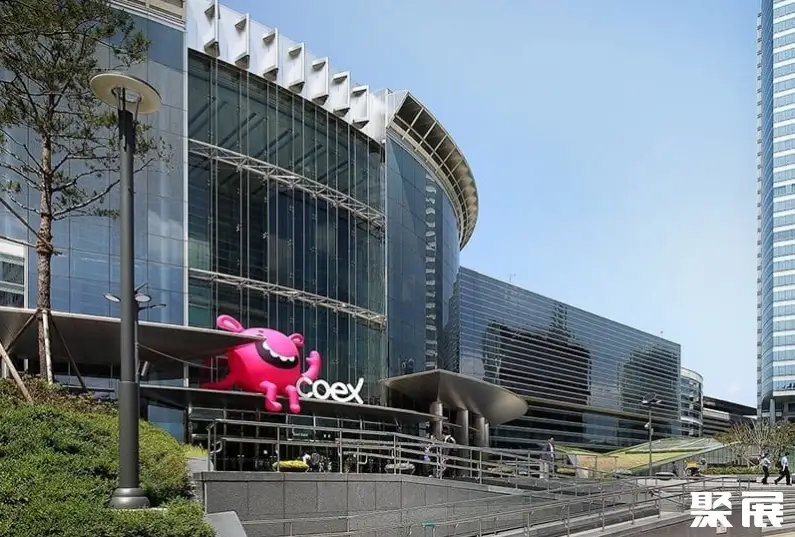
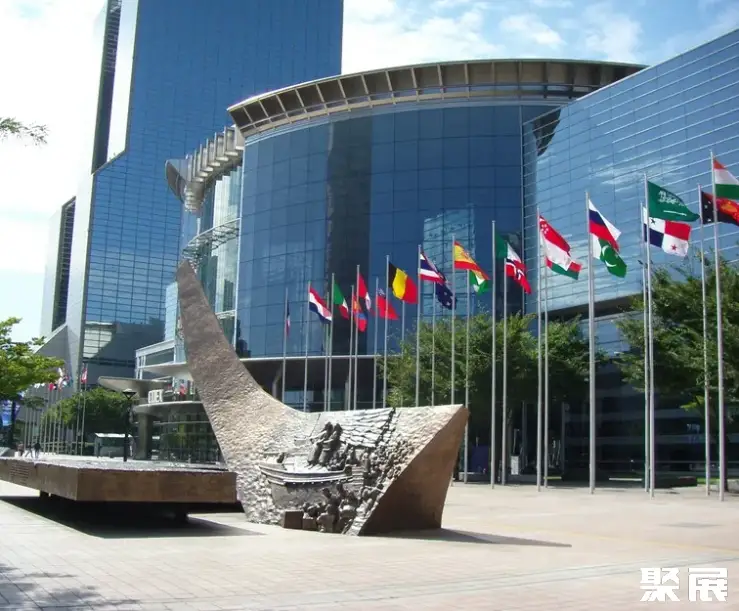
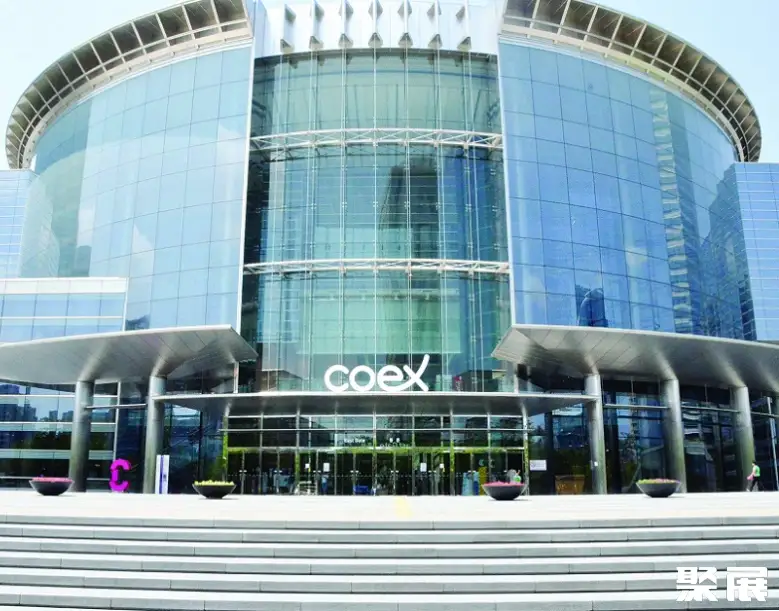
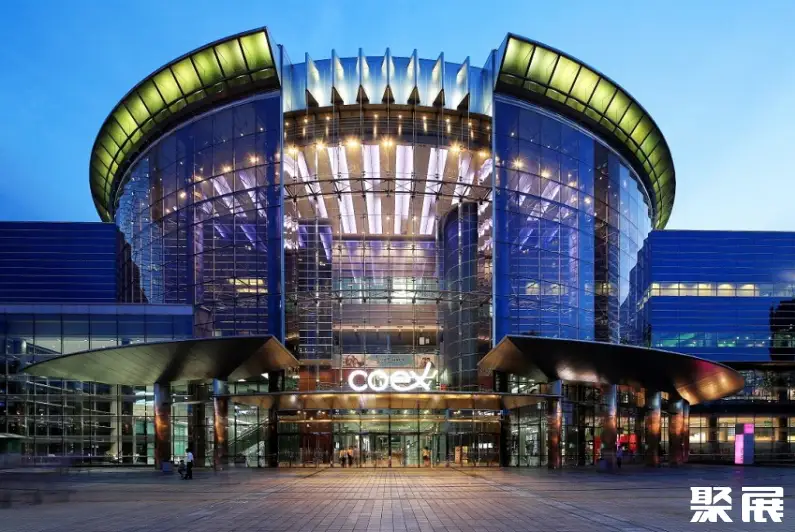
Venue transport
- Metro / rail
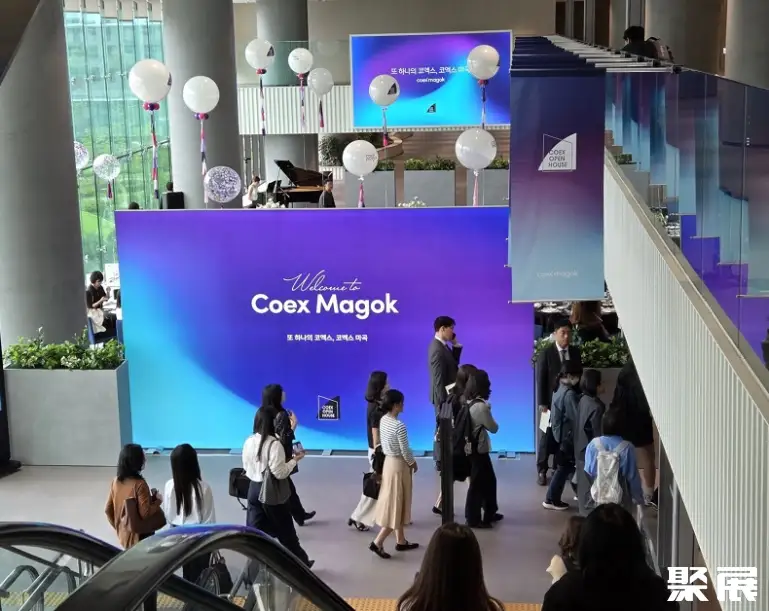
Take Metro Line 2 (green) to Samseong Station. After exiting through Exit 5 or Exit 6, you can reach the COEX complex directly via a covered indoor walkway, without having to go above ground; the exhibition halls are just a few minutes’ walk away.
Take Metro Line 9 (gold) to Bongeunsa Station. Exiting through Exit 7 provides convenient access to COEX.
- Air
From Incheon International Airport (ICN): The airport limousine bus is the most convenient option, especially when traveling with luggage. You can take either route 6103 or 6703 (KAL Limousine) directly to the COEX City Air Terminal (CALT), where you’ll arrive right at the terminal. Alternatively, take the AREX express train from the airport to Seoul Station; the journey takes approximately 43 minutes. From there, transfer to Subway Line 2 and ride to Samseong Station.
Seoul Semiconductors Booth Price
Process
- 1.Submit the business license of the company
- 2.Submit product picture and name
- 3.Receive exhibition presentation documents and booth drawings
- 4.Submit booth application form/Sign booth contract
- 5.Pay the contract booth deposit
- 6.Prepare for exhibition