Verified: updated on
HOT
Beijing Machine Vision Exhibition
VisionChina
Time to be determined2026.06.25-06.26Show Hours: 09:00-18:00
- Highlights
- An international specialized exhibition focused on the fields of machine vision and intelligent manufacturing.
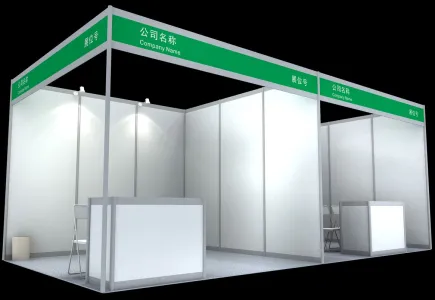

Exhibition Data
- 1/1
- Edition
- 30000㎡
- Exhibition area
- 580
- Exhibitors
- 26000
- Visitors
Beijing City Machine Vision Expo Details
- Organizer:
- China Machine Vision Union (CMVU)
- City:
- Beijing
- Venue:
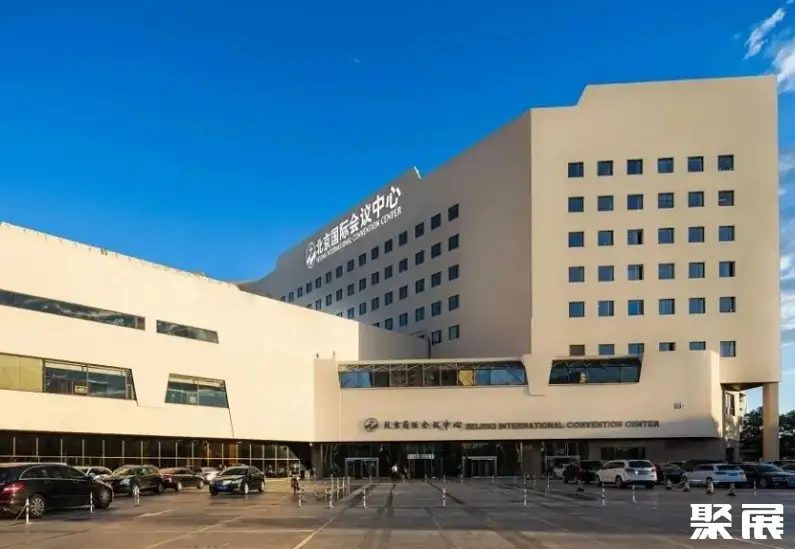
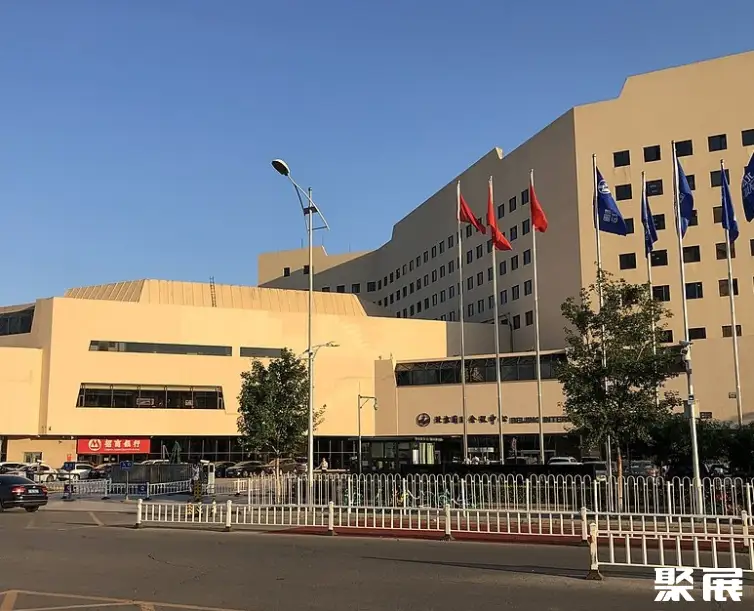
- Beijing International Convention Center
- Address:
- Building 3, No. 8 Beichen East Road, Chaoyang District, Beijing
Profile
The Beijing Machine Vision Exhibition (VisionChina) is organized by the China Machine Vision Union (CMVU) and hosted by Messe München. International support is provided by the Automated Imaging Association (AIA), the European Machine Vision Association (EMVA), the Japan Industrial Imaging Association (JIIA), and the VDMA – Automation Technology Division, specifically its Machine Vision Committee.
This year’s event is themed “Machine Vision Technologies Empowering Intelligent Manufacturing Toward High-Quality Development,” with discussions centered on hot topics such as 3D vision, robotics, artificial intelligence, large AI models, deep learning, precision imaging, visual applications, intelligent equipment, smart logistics, and smart factories. Over 30 specialized presentations are scheduled, including two parallel forums—“3D Intelligence and Precision Imaging” and “AI Vision Sensing + Smart Logistics & Smart Factories”—featuring insights from industry leaders like JD Logistics, ABB, and KEYENCE. More than 60 machine vision brands will showcase their products, technologies, and solutions on-site.
Concurrently, a roundtable discussion titled “Machine Vision + AI Pioneering the Future” was held, bringing together industry experts and investment institutions to examine the current state of AI—particularly deep learning—and AI-driven industrial quality inspection, identify existing bottlenecks, and explore future prospects. The session also delved into how machine vision and AI technologies will converge, and what insights and benefits large AI models can offer for industrial quality control.
The Beijing Machine Vision Exhibition (VisionChina) provides a comprehensive platform showcasing core components and plug‑in solutions in machine vision, while convening experts, academics, and technical professionals from diverse industrial sectors. It serves as an ideal venue for exhibitors to enhance their market competitiveness and discover innovative solutions.
This edition of VisionChina in Beijing brings together leading domestic and international brands—including Baumer, DeepVision Intelligence, Lingyun Optics, Zhongke Weizhi, Daheng Image, Boshixiangyuan, Advantech, Siwei Vision, Medway Vision, Elite Optoelectronics, Liyi Technology, Dehong Vision, Weilang, Shengxiang, Hongke, Hikvision, North China Industrial Control, HuaRui, Zhaolong Interconnect, LMI, Eco, Chaoren, Weishen, Dushen, and others—alongside suppliers and end‑user application providers. This convergence enables attendees to gain a more holistic and in-depth understanding of machine vision and its applications across industries such as electronics, lithium‑ion batteries, photovoltaics, semiconductors, metals, food processing, laser technology, and medical devices, bridging supply and demand and offering an immersive experience of one‑stop procurement and knowledge sharing.
The Beijing Machine Vision Exhibition (VisionChina) places particular emphasis on core components—including cameras, image acquisition boards, lenses, software, and light sources—while also encompassing robotics, motion control, and related fields. In addition, the concurrent Machine Vision Technology and Industrial Applications Symposium attracted participants from across the country, including engineering and technical personnel from manufacturing enterprises, as well as academic and research experts from institutes and universities, collectively witnessing a grand celebration of machine vision technology.
Beijing Machine Vision Exhibition tickets are e-tickets. Mainland China visitors must complete online pre-registration with real-name ID verification; overseas visitors must use passport verification; Hong Kong, Macao, and Taiwan visitors must use their travel permit. On site, verify entry with your ID card or by scanning the e-ticket QR code.
Partial exhibitor directory and exhibitor list for Beijing Machine Vision Exhibition: 北京闻亭泰科技术发展有限公司, 凌云光技术股份有限公司, 锐芯微电子股份有限公司, 北京博兴远志科技有限公司, 上海巨哥科技股份有限公司, 西安精英光电技术有限公司, and others. The 2026 edition is expected to feature 500+ exhibiting companies. To obtain the full exhibitor directory (including booth numbers and contact details), please visit the official exhibition website or contact Jufair.
The Exhibition Value of VisionChina Beijing
- The Largest Specialized Machine Vision Event in North China: Organized by the China Machine Vision Union (CMVU) and hosted by Messe München, with strong support from international authorities including the Automated Imaging Association (AIA), the European Machine Vision Association (EMVA), the Japan Industrial Imaging Association, and the Machine Vision Division of the German Engineering Federation. Held annually, it is the largest and most authoritative machine vision industry event in North China.
- Comprehensive Coverage of Core Components Across the Entire Industry Chain: The exhibition focuses on core machine vision components such as industrial cameras, frame grabbers, lenses, light sources, sensors, barcode readers, industrial PCs, edge computing devices, and vision accessories, while also encompassing robotics, motion control, and related fields. Exhibitors represent leading domestic and international brands, including component suppliers, system integrators, and end users.
- A Cutting-Edge Hub for Deep Integration of AI and Vision: Centered around the theme “Vision Without Borders, Intelligence in Symbiosis: Large AI Models and Machine Vision,” the event showcases groundbreaking innovations in three frontier areas—large AI models, embodied intelligence, and visual intelligent agents. Participating companies can present next-generation vision products that integrate advanced AI technologies, highlighting the robust momentum of technological innovation translating into industrial applications—from traditional defect detection to intelligent cognitive decision-making, and from single-function modules to comprehensive solutions.
- An Authoritative Platform for Industry Reports and Trend Insights: During the exhibition, the “China Machine Vision Industry Report” will be unveiled, providing authoritative data to guide industry development. The report forecasts that, driven by the deepening implementation of the “AI Plus” initiative and the emergence of new productive forces, China’s machine vision market size is expected to grow from RMB 39.54 billion in 2025 to RMB 58.08 billion by 2027, with an average annual growth rate of 21.2%.
- High-Level Forums Bringing Together Global Industry Expertise: Concurrently held technical seminars on machine vision and industrial applications feature nearly 30 cutting-edge presentations. Special sessions include in-depth discussions on the national strategy of “AI + Machine Vision” and a roundtable on “Embodied Intelligence Driving Innovation in the AI Industry,” gathering top experts from MicroChain DaoAI, Weijing Intelligence, the Institute of Automation of the Chinese Academy of Sciences, Mainline Technology, and WeiYi Intelligent Manufacturing. International panels bring together renowned global companies such as LMI, Baumer, and Basler, showcasing前沿 technologies like hyperspectral imaging, the GigE Vision 3.0 standard, and semiconductor smart manufacturing.
- Precise Connections with Application Sectors Including Electronics, Lithium-Ion Batteries, Photovoltaics, and Semiconductors: Visitors come from diverse industrial sectors, including electronics, lithium-ion batteries, photovoltaics, semiconductors, metals, food, laser technology, and healthcare. Among professional attendees, researchers and innovators constitute a significant proportion, placing particular emphasis on cutting-edge technological applications, thereby bringing exhibitors forward-looking technical demands and innovative ideas.
- An International Resource-Linking Platform: Leveraging close collaborations with prestigious overseas industry associations, the exhibition attracts top-tier international machine vision enterprises, showcasing the latest advancements in global imaging technologies. Emergent Vision Technologies, making its debut at the event, achieved unexpectedly strong results, with all promotional materials distributed within half a day.
- A Platform for Showcasing Innovations and Translating Value into Practical Applications: Exhibitors widely report high-quality visitors and meaningful exchanges. The compact exhibition environment enables customers to efficiently compare and understand the technological strengths of different brands. Cost-effective participation packages help reduce exhibitor expenses, delivering excellent value for money.
Range
- International Brands: LMI Technologies, Baumer, Basler, Allied Vision, Teledyne DALSA, JAI, SVS-Vistek, Emergent Vision Technologies, LUCID Vision, Neousys
- Domestic Smart Vision Equipment Brands: Lingyun Optics, Daheng Image, Hikrobot, HuaRui Technology, Zhongke Weizhi, Boshixiangyuan, Eko Optoelectronics, Shenzhen Vision Intelligence, Shengxiang Technology, Changbudao, Shijie Tuyan, Youst
- Core Machine Vision Components Brands: Fujian Haolan Optoelectronics, Dongguan Ruishi Optoelectronics, Maide Weishi, Elite Optoelectronics, Liyi Technology, Dehong Vision, Weilang Optics, Zhaolong Interconnect, Dushen Technology, North China Industrial Control, Yanqin Industrial Control, Apuchi, Chaoren, Siwei Vision
- Specialized Imaging and Optics Brands: Xibixi (China), BoLi Optoelectronics, Pumisi, BiXiang Technology, Kaishijia, Ruizhi Image, Yantai Zhirui Image, Fangqian Optoelectronics, Yanqing Technology
- System Integration and Technological Innovation: Weilian DaoAI, Weijing Intelligence, MecamanDe, Tuyang Technology, Shengxiang Technology, Huicui Vision, Xinghetai Shite
Review
From June 19 to 20, 2025, the Beijing Machine Vision–Empowered Intelligent Manufacturing Innovation Development Conference, together with VisionChina 2025 (Beijing), was successfully held at the Beijing International Convention Center. Over the course of two days, the event, themed “Vision Without Boundaries, Intelligence in Symbiosis: AI Large Models and Machine Vision,” attracted 4,209 professional attendees from across China, who engaged in in-depth exchanges and discussions on the integrated development of AI large models and machine vision.
Day One Focuses on AI Large Models and Embodied IntelligenceOn the first day, the highly anticipated “2025 China Machine Vision Market Report” was unveiled, providing authoritative data to support industry growth. Experts from the CCID Research Institute of the Ministry of Industry and Information Technology offered policy‑level insights into the development trends of industrial large models. Technical specialists from companies including Aqiu Technology, SenseTime, Baidu Smart Cloud, and Lingbang Intelligence presented cutting‑edge technological achievements, such as AQ‑VLM for structural component inspection, multimodal digital humans in the AGI era, practical applications of multimodal large models, and large‑scale visual inspection models and intelligent agents.The embodied intelligence session was particularly compelling, with Professor Liu Huaping of Tsinghua University providing an in‑depth exposition of the technological evolution from multimodal active perception to embodied intelligence. Experts from Weilian Da’ai, Weijing Intelligence, the Institute of Automation of the Chinese Academy of Sciences, Mainline Technology, WeiYi Intelligent Manufacturing, and Pingfanghe shared their perspectives on hot topics such as machine vision and human‑like cognition, breakthroughs in humanoid robotics, applications of AI‑powered trucks, and the reconfiguration of flexible manufacturing through embodied intelligence. The day’s agenda culminated in a roundtable discussion titled “Embodied Intelligence Driving AI Industry Transformation,” where the exchange of ideas among five industry experts yielded valuable insights for future development.
Day Two Focuses on Edge Computing and International Imaging TechnologiesThe Intel‑themed session emerged as the highlight of the second day, with IDC China analyzing, from a market perspective, the new opportunities that AI‑plus‑machine vision presents for China’s industrial control market. Meanwhile, the Intel team comprehensively showcased its technological prowess in industrial AI and machine vision. Partners such as Nuodajia and Hikrobot also shared innovative application cases built on the Intel platform, vividly illustrating the synergistic effects within the broader ecosystem.
The “Foundations of Intelligence: Recent Advances in International Imaging Technologies” session brought together technical experts from internationally renowned companies—including LMI Technologies, Baumer Electronics, Euresys, and Basler—covering everything from Gocator hardware‑software integration and hyperspectral imaging to the GigE Vision 3.0 standard and semiconductor‑based smart manufacturing, thereby providing a comprehensive overview of the latest developments in global imaging technologies.Showcase Area Boasts Abundant Innovative AchievementsThe exhibition area gathered the latest technological innovations from nearly 60 leading industry players, including Apuchi, Chaoren, Chenyao Technology, Sinopharm Foreign Trade, North China Industrial Control, Jingdi Intelligence, Elite Optoelectronics, Wenxin, Youst, Zhaolong, and others. Exhibits spanned the entire value chain, encompassing industrial cameras, 3D smart cameras, sensors, barcode readers, light sources, lenses, industrial PCs, edge computing devices, vision accessories, system integration solutions, and smart manufacturing equipment.
Exhibiting companies widely demonstrated next‑generation vision products incorporating AI large model technologies, clearly reflecting the strong momentum of translating technological innovation into practical industrial applications. From traditional defect detection to intelligent cognitive decision‑making, and from single‑function modules to comprehensive solutions, machine vision technology is advancing to increasingly sophisticated levels.
Exhibitors generally reported results that exceeded expectations. Emergent Vision Technologies, making its debut at the show, immediately garnered numerous customer inquiries, with promotional materials completely distributed within half a day. Companies noted that the compact setting allowed customers to efficiently compare the technical strengths of various brands, while the organizer’s cost‑effective exhibition package effectively reduced exhibitor expenses.
Pan Jin, Chairman of the Machine Vision Industry Alliance (CMVU), stated that the two days of intensive exchanges fully highlighted the immense potential of integrating AI large models with machine vision, expressing hope that these cutting‑edge technologies will accelerate industrialization and contribute to building a more intelligent manufacturing ecosystem.
VisionChina Exhibitior List
Beijing Machine Vision Exhibition Range
- Black-and-White Smart Camera ,
- Line-Scan Smart Camera ,
- Color Smart Camera ,
- CMOS Smart Camera ,
- ID Reader
- Black-and-White Acquisition Card ,
- Image Compression/Decompression Board Card ,
- Color Acquisition Card
- Image Processing Software ,
- Machine Vision Tool Software
- Industrial Camera ,
- CMOS Camera ,
- CCD Camera ,
- Area-Scan Camera ,
- Camera‑Link Camera ,
- Line-Scan Camera ,
- Infrared Camera ,
- 1394 Interface Camera
- FA Lens ,
- High-Resolution Lens ,
- Image Scanning Lens ,
- Condenser Lens ,
- Telecentric Lens
- LED Light Source ,
- Ultraviolet Illumination System ,
- Infrared Light Source ,
- Fiber Optic Illumination System
- Sensor ,
- Calibration Block ,
- Grating ,
- Gasket ,
- Cables and Connectors ,
- Power Supply ,
- Base Plate
- Optical Character Recognition System ,
- Automation/Robotics Technology ,
- Infrared Imaging System
- Character Processing and Recognition System ,
- Tobacco ,
- Banknote Printing ,
- Electronics Assembly ,
- Quality Inspection ,
- Automatic Identification (OCR/OCV) ,
- Measurement ,
- Intelligent Vision ,
- Surface Inspection ,
- Printing ,
- Packaging ,
- Complex Industrial Object Visual Online Inspection ,
- Automotive Manufacturing ,
- License Plate ,
- Intelligent Transportation ,
- Biometric Recognition ,
- Surveillance ,
- Medical Diagnostics ,
- Optical Inspection
Booth Sales

Ms. MaoGold-Medal PM
3 Years Booth Sales
2026 Beijing City Machine Vision Ticket Sales

Mr. HanGold-Medal PM
3 Years Booth Sales

Ms. LiuGold-Medal PM
3 Years Booth Sales
Beijing City Machine Vision Venue

Venue transport
- Metro / rail
Take Beijing Subway Line 8 or Line 15 and get off at Olympic Park Station.
- Air
From Beijing Capital International Airport: The distance is approximately 27–28 kilometers, with a driving time of about 30 minutes and a taxi fare of roughly RMB 100. By subway: Take the Airport Express to Sanyuanqiao Station, transfer to Metro Line 10 (inner loop) to Beitucheng Station, then switch to Metro Line 8 (toward Zhuxinzhuang) to Olympic Park Station (Exit E) or Olympic Sports Center Station (Exit B2). The total journey takes approximately 1 hour and 10 minutes. By airport bus: Board Airport Bus Route 5 (Capital Airport–Zhongguancun) to Asian Games Village (Anhui Bridge) Station, then walk about 760 meters to reach the venue.
From Beijing Daxing International Airport: The distance is approximately 53–68 kilometers, with a driving time of about 1 hour and a taxi fare of roughly RMB 150. By subway: Take the Daxing Airport Line to Caqiao Station, transfer to Metro Line 19 to Mudanyuan Station, then connect to Metro Line 10 to Beitucheng Station, and finally transfer to Metro Line 8 to Olympic Park Station. The entire trip takes approximately 1 hour and 20–40 minutes.
·
·
- Train
From Beijing Railway Station: Approximately 13–14 kilometers; take Metro Line 2 to Gulou Dajie Station, then transfer to Metro Line 8 to Olympic Park Station.
From Beijing West Railway Station: Approximately 18–19 kilometers; take Metro Line 7 to Zhushikou Station, then transfer to Metro Line 8 to Olympic Park Station.
From Beijing South Railway Station: Approximately 20–23 kilometers; take Metro Line 14 to Yongdingmenwai Station, then transfer to Metro Line 8 to Olympic Park Station.
From Beijing North Railway Station: Approximately 8 kilometers; take Metro Line 13 to Zhichunlu Station, transfer to Metro Line 10 to Beitucheng Station, and then transfer to Metro Line 8 to Olympic Park Station.
- Drive
For navigation, you can enter either “Beijing International Convention Center” or “No. 8, Beichen East Road, Chaoyang District.” From the North Fourth Ring Road, head north at Anhui Bridge onto Beichen East Road to reach the venue.
Beijing City Machine Vision Booth Price
Process
- 1.Submit the business license of the company
- 2.Submit product picture and name
- 3.Receive exhibition presentation documents and booth drawings
- 4.Submit booth application form/Sign booth contract
- 5.Pay the contract booth deposit
- 6.Prepare for exhibition